
Audio-Technica AT2040USB vs Fifine AM8 Comparison
Compare Audio-Technica AT2040USB vs Fifine AM8 side by side: specs, ratings, pros and cons, and which one fits your room best.
On this page
At a Glance
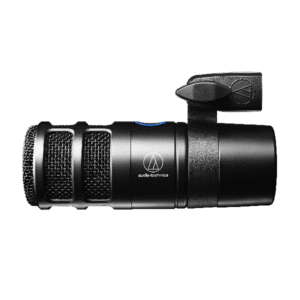
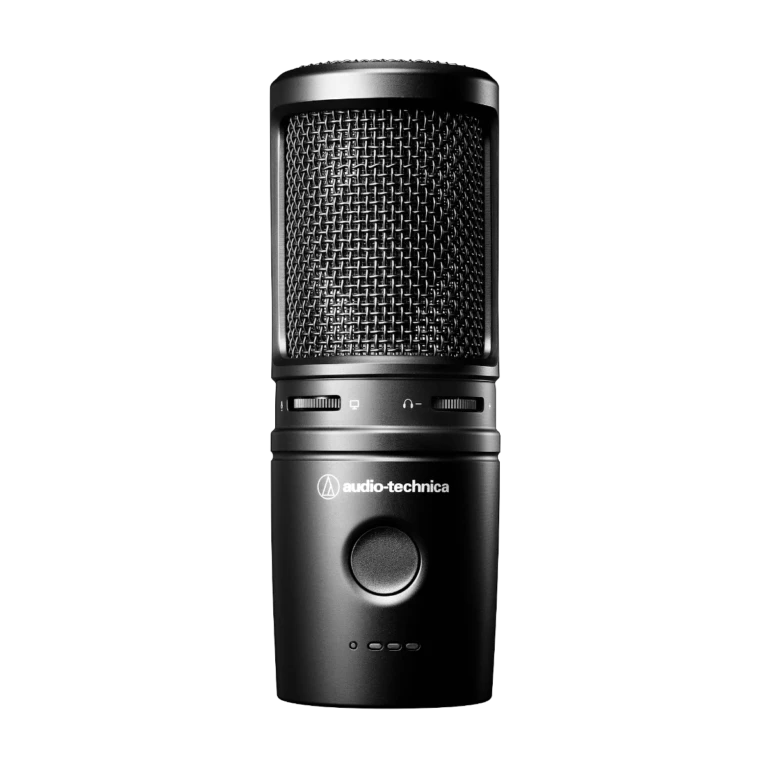
Working at a desk with a noisy setup and want a simple USB mic with silent mute? The Audio-Technica AT2040USB is a hypercardioid dynamic USB-C microphone with 24-bit / 96 kHz conversion, an 80 Hz to 16 kHz response, an integrated shock mount, an internal pop filter, a switchable low-cut filter and a silent touch-sensitive mute.
- Best For
- Streamers and callers next to loud PCs
- Microphone Type
- Dynamic USB
- Launch Price
- $149
- Polar Pattern
- Hypercardioid
- Sample Rate
- 44.1, 48, 88.2, 96 kHz
- Headphone Monitoring
- 3.5 mm headphone output (77 mW at 32 ohms)
- Mute Button
- Yes (capacitive touch)
- Connection
- USB-C
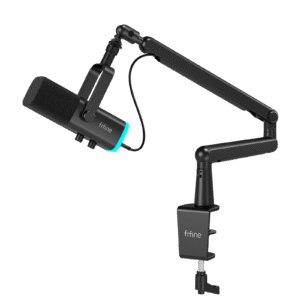
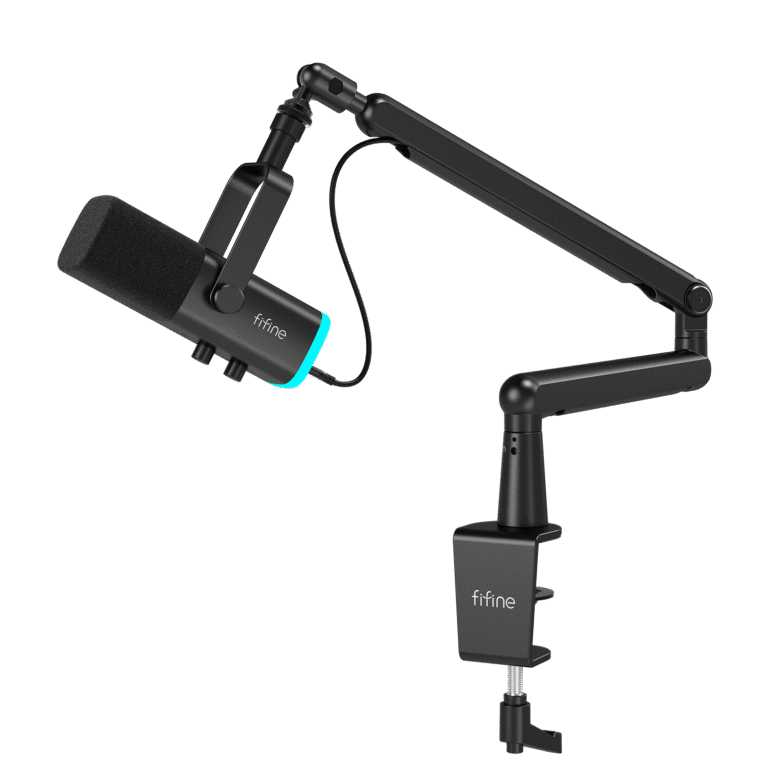
Want a cheap step up from a laptop or headset mic, with a path to XLR later? Fifine's AmpliGame AM8 is a budget cardioid dynamic offering both USB-C and XLR, a 50 Hz to 16 kHz response, 16-bit / 48 kHz USB recording, tap-to-mute, a gain knob, a headphone jack and switchable RGB lighting.
- Best For
- First-time streamers and budget home offices
- Microphone Type
- Dynamic USB/XLR
- Launch Price
- $59.99
- Polar Pattern
- Cardioid
- Sample Rate
- 44.1 to 48 kHz
- Headphone Monitoring
- 3.5 mm headphone output
- Mute Button
- Yes (tap)
- Connection
- USB-C, XLR
Review Scores Compared
Expert Score
Capsule Quality & Fidelity
Interface Versatility & Patterns
On-Mic Hardware Controls
DSP Engine & Software
Mounting & Shock
Editorial Reviews Comparison
Capsule Quality & Fidelity
- Audio-Technica AT2040USB7.2/10Leader
- Fifine AM87.1/10
Audio-Technica AT2040USB
Audio-Technica specifies an 80 Hz to 16 kHz response and a high-resolution converter rated for 24-bit / 96 kHz. The low-cut filter rolls off at 80 Hz with an 18 dB per octave slope. Speech sounds focused and smooth, with a controlled low end that avoids boominess at close range.
Fifine AM8
Fifine quotes a 50 Hz to 16 kHz response, a signal-to-noise ratio above 80 dB and 16-bit recording at up to 48 kHz over USB. Over XLR, resolution depends on your interface. Fifine's own comparison notes a shimmer at the top, which some will like and others will EQ down.
Interface Versatility & Patterns
- Audio-Technica AT2040USB7.7/10
- Fifine AM89.2/10Leader
Audio-Technica AT2040USB
Hypercardioid pickup is narrower than cardioid at the sides, with a small rear lobe. Audio-Technica designed it to reduce ambient noise such as the hum of a computer fan. Aimed at your mouth from about 5 to 10 cm, it keeps keyboards and room sound well down. Turn your head to a second screen and your level drops faster than with a cardioid model.
Fifine AM8
The cardioid dynamic capsule focuses on the front of the mic. Speak from close range, around 5 to 10 cm, and room noise falls well behind your voice. That makes it more forgiving than budget condensers in a room with a loud PC or street noise. Keyboard clatter is reduced, though not removed, if the mic sits right beside the keyboard.
On-Mic Hardware Controls
- Audio-Technica AT2040USB7.6/10
- Fifine AM89.7/10Leader
Audio-Technica AT2040USB
The mic has a silent capacitive mute, a headphone level control, a mix control and a low-cut switch. A two-state LED ring glows blue when live and red when muted. The touch mute makes no sound at all, which makes it one of the best mute designs for meetings. The colour ring is visible on camera, so others can see when you have muted yourself.
Fifine AM8
The body has a tap-to-mute button, a gain knob and a headphone volume control, plus a 3.5 mm jack for monitoring. Holding the touch button toggles the RGB lighting. Hardware mute and gain make it easy to adjust on the fly during a meeting. The lighting can be turned off entirely, which matters for client calls where a rainbow glow would look out of place.
DSP Engine & Software
- Audio-Technica AT2040USB—
- Fifine AM84.0/10
Fifine AM8
The AM8 does not include that companion app (not compatible with FIFINE Genie). The software or onboard controls also include monitoring (3.5 mm headphone output) and gain control (knob). Official capture is listed at 44.1 to 48 kHz and 16-bit.
Mounting & Shock
- Audio-Technica AT2040USB7.8/10
- Fifine AM89.0/10Leader
Audio-Technica AT2040USB
The metal body weighs about 600 g and measures 145.3 mm long with a 52 mm diameter. An integrated shock mount and a multistage foam and mesh windscreen are built in. That internal isolation means bumps to the desk or arm are well damped, and close-talking produces few pops. The included AT8487 clamp attaches to stands and boom arms with a 5/8 to 3/8 inch adapter.
Fifine AM8
Fifine lists 395 g for the mic and about 580 g with its stand. The body is plastic with a metal grille, and a foam windscreen covers the capsule. The angular, cube-like body looks distinctive on camera, and the metal yoke lets you tilt it. That low weight is an advantage on inexpensive spring boom arms, which often sag under heavier all-metal broadcast mics after a few weeks of use.
Why Audio-Technica AT2040USB Beats Fifine AM8 (and Vice Versa)
Why Fifine AM8 beats Audio-Technica AT2040USB
- Better on-mic hardware controls: 9.7 vs 7.6 out of 10
- Better interface versatility & patterns: 9.2 vs 7.7 out of 10
- Better mounting & shock: 9.0 vs 7.8 out of 10
- Weight: 395 g (mic), about 580 g with stand vs About 600 g
- Polar Pattern: Cardioid vs Hypercardioid
- Gain Control: Yes (knob) vs No hardware gain control
Review-score leads of 0.5+ points out of 10 first, then specs where only one comes out ahead.
Full Specifications
General
| Audio-Technica AT2040USB | Fifine AM8 | |
|---|---|---|
| Best For | Streamers and callers next to loud PCs | First-time streamers and budget home offices |
| Release Year | 2023 | 2022 |
| Launch Price | $149 | $59.99 Better |
| Use Case | Streaming, gaming, calls, podcasts | Gaming, streaming, calls |
| Weight | About 600 g | 395 g (mic), about 580 g with stand Better |
| Dimensions | 145.3 mm long, 52 mm diameter | — |
| In the Box | Mic, AT8487 clamp, thread adapter, USB cable, USB-A to USB-C adapter | — |
| Warranty | 2 years | — |
| Model Number | AT2040USB | AM8 |
Capsule Quality & Fidelity
| Audio-Technica AT2040USB7.2/10 Better | Fifine AM87.1/10 | |
|---|---|---|
| Transducer Type | Dynamic | Dynamic |
| Sample Rate | 44.1, 48, 88.2, 96 kHz | 44.1 to 48 kHz |
| Bit Depth | 16-bit / 24-bit | 16-bit |
| Frequency Response | 80 Hz to 16 kHz | 50 Hz to 16 kHz |
| Max SPL | — | 120 dB |
| Sensitivity | — | -50 dB ±3 dB |
| Signal-to-Noise Ratio | — | More than 80 dB |
| Microphone Type | Dynamic USB | Dynamic USB/XLR |
| Capsule Size | Dynamic | Dynamic |
Interface Versatility & Patterns
| Audio-Technica AT2040USB7.7/10 | Fifine AM89.2/10 Better | |
|---|---|---|
| Connection | USB-C | USB-C, XLR |
| XLR Output | No | Yes Better |
| Polar Pattern | Hypercardioid | Cardioid Better |
| Number of Patterns | 1 | 1 |
| USB Connector | USB-C | USB-C |
| Cable | USB-C to USB-A, about 2 m | USB cable included; XLR cable not included |
| Phantom Power | No (USB bus powered, 5 VDC) | — |
| Phone / Tablet Support | — | Yes (with a proper USB adapter; official recommendation is a PC or laptop) |
| OS Compatibility | Windows 10/11, macOS | Windows, macOS, PS4, PS5 |
| Works With | — | Windows, macOS, PS5 (not Xbox) |
On-Mic Hardware Controls
| Audio-Technica AT2040USB7.6/10 | Fifine AM89.7/10 Better | |
|---|---|---|
| Gain Control | No hardware gain control | Yes (knob) Better |
| Zero-Latency Monitoring | Yes | Yes |
| Touch Mute | Yes | Yes |
| Headphone Monitoring | 3.5 mm headphone output (77 mW at 32 ohms) | 3.5 mm headphone output |
| Mix Control | Yes | — |
| Headphone Volume | Yes | Yes |
| Lighting | Two-state LED ring | RGB (switchable) |
| Low-Cut Filter | 80 Hz, 18 dB/octave | — |
| Mute Button | Yes (capacitive touch) | Yes (tap) |
DSP Engine & Software
| Audio-Technica AT2040USB | Fifine AM84.0/10 | |
|---|---|---|
| Software / DSP | — | No (not compatible with FIFINE Genie) |
Mounting & Shock
| Audio-Technica AT2040USB7.8/10 | Fifine AM89.0/10 Better | |
|---|---|---|
| Shock Mount | Integrated | — |
| Mount Thread | 5/8 inch with 3/8 inch adapter | 3/8 in and 5/8 in |
| Stand / Mount | AT8487 mounting clamp (no desk stand) | Desk stand (included) |
| Pop Filter / Windscreen | Internal multistage windscreen | Foam windscreen |
| Boom Arm Compatible | Yes | Yes |
| Materials | Metal | Plastic body, metal grille |
Takeaways
- Fifine AM8 costs the least ($59.99), and Audio-Technica AT2040USB the most ($149).
- It's a tie on our rating (3.8/5) between Audio-Technica AT2040USB and Fifine AM8, so choose on the rows that matter most to you.
- Choose Audio-Technica AT2040USB for streamers and callers next to loud PCs.
- Choose Fifine AM8 for first-time streamers and budget home offices.
Pros and Cons
Audio-Technica AT2040USB
PROS
- Hypercardioid pattern isolates the voice
- Silent capacitive mute with LED ring
- Integrated shock mount and pop filter
- Low-cut filter and mix control
CONS
- No gain control on the body
- Narrow pattern needs careful aim
- Frequency response stops at 16 kHz
Fifine AM8
PROS
- Very low price for USB plus XLR
- Tap-to-mute and gain knob
- Dynamic capsule handles noisy rooms
- RGB can be switched off
CONS
- 16-bit USB recording
- Plastic body
- Controls and RGB only work over USB
Similar Comparisons
 Fifine AM87.6/10
 Audio-Technica AT2020USB-XP8.8/10Fifine AM8 vs Audio-Technica AT2020USB-XP
- Fifine AM87.6/10
 Logitech G Yeti GX8.8/10Fifine AM8 vs Logitech G Yeti GX
 Audio-Technica AT2040USB7.5/10Audio-Technica AT2020USB-XP8.8/10Audio-Technica AT2040USB vs Audio-Technica AT2020USB-XP
- Audio-Technica AT2040USB7.5/10Logitech G Yeti GX8.8/10Audio-Technica AT2040USB vs Logitech G Yeti GX
Quick Verdict
- Audio-Technica AT2040USB 7.5Leads in Capsule Quality & Fidelity
- Fifine AM8 7.6Best overallLeads in Interface Versatility & Patterns, On-Mic Hardware Controls, Mounting & Shock