
Elgato Wave:3 MK.2 vs HyperX QuadCast 2 Comparison
Compare Elgato Wave:3 MK.2 vs HyperX QuadCast 2 side by side: specs, ratings, pros and cons, and which one fits your room best.
On this page
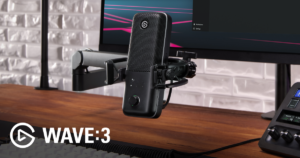
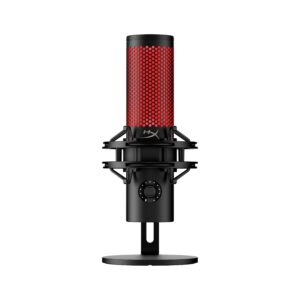
At a Glance
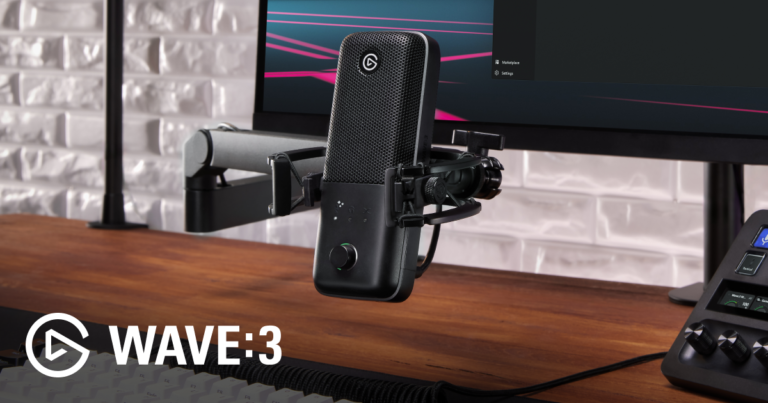
The Elgato Wave:3 MK.2 is a USB-C cardioid condenser microphone with Clipguard overload protection, a capacitive mute sensor and Wave Link mixing software for streamers who also spend the day on calls.
- Best For
- Streaming desks that also take calls
- Microphone Type
- Condenser
- Launch Price
- —
- Polar Pattern
- Cardioid
- Sample Rate
- 48 kHz
- Headphone Monitoring
- Yes (3.5 mm)
- Mute Button
- Yes (capacitive)
- Connection
- USB-C
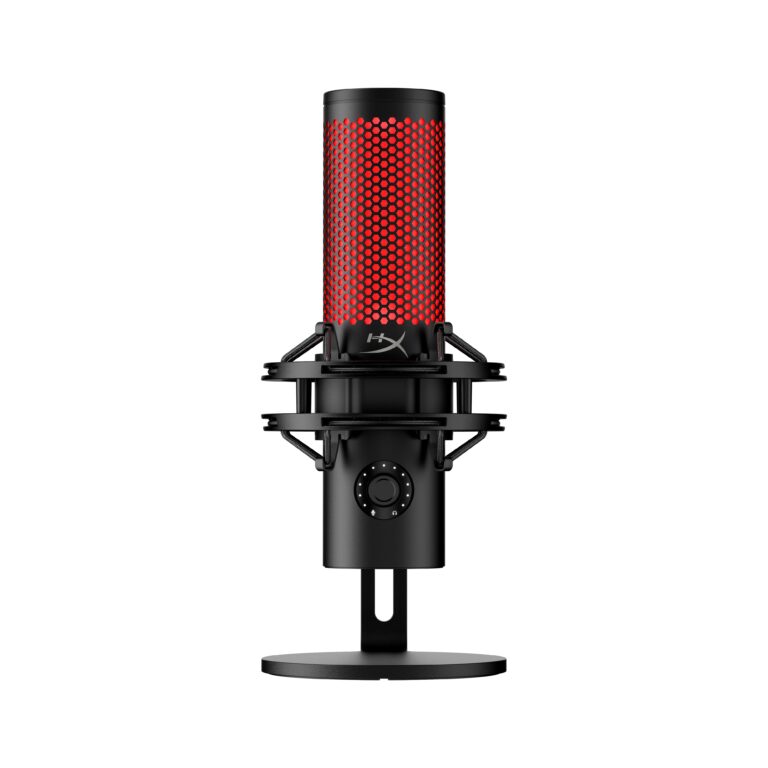
The HyperX QuadCast 2 is a USB condenser microphone with four polar patterns, up to 24-bit / 96 kHz recording, tap-to-mute, a multi-function control knob, and a built-in shock mount and pop filter.
- Best For
- Streamers and gamers who also take calls
- Microphone Type
- Condenser USB
- Launch Price
- $149.99
- Polar Pattern
- Cardioid, omnidirectional, bidirectional, stereo
- Sample Rate
- 44.1 / 48 / 96 kHz
- Headphone Monitoring
- 3.5 mm headphone output
- Mute Button
- Yes (tap-to-mute)
- Connection
- USB-C
Review Scores Compared
Expert Score
Capsule Quality & Fidelity
Interface Versatility & Patterns
On-Mic Hardware Controls
DSP Engine & Software
Mounting & Shock
Editorial Reviews Comparison
Capsule Quality & Fidelity
- Elgato Wave:3 MK.28.0/10Leader
- HyperX QuadCast 26.8/10
Elgato Wave:3 MK.2
Inside is a 16 mm condenser capsule with an integrated JFET, recording at 24-bit / 48 kHz across 70 Hz to 20 kHz. Elgato quotes a dynamic range of 110 dB, which is generous for a desktop USB mic at this price. Voices come through bright and open, with more top-end sparkle than the Shure MV7+.
HyperX QuadCast 2
HyperX quotes 20 Hz to 20 kHz frequency response with recording at up to 24-bit / 96 kHz. The condenser capsules give a bright, detailed voice that cuts through game audio and music beds. On calls, speech sounds crisp and present, and colleagues will hear more detail than through a headset boom.
Interface Versatility & Patterns
- Elgato Wave:3 MK.27.7/10
- HyperX QuadCast 28.3/10Leader
Elgato Wave:3 MK.2
The pattern is a single cardioid, so it favours the front and rejects the rear. It is still a condenser, though, and it hears keyboard and mouse noise from further away than dynamic designs do. Clipguard is the clever part. When you laugh or shout, the mic switches to a second, quieter signal path in a few milliseconds, so the peak never clips.
HyperX QuadCast 2
You can choose cardioid, omnidirectional, bidirectional or stereo patterns. Cardioid suits solo calls, bidirectional suits two people facing each other, and omni captures a room. In cardioid mode it still hears keyboard noise and room echo, as most condensers do. Placing the mic close and turning gain down reduces that, though a dynamic mic remains better for noisy spaces.
On-Mic Hardware Controls
- Elgato Wave:3 MK.29.7/10
- HyperX QuadCast 29.7/10
Elgato Wave:3 MK.2
On top, a capacitive sensor mutes the mic when you tap it, and a ring of LEDs turns red so you can see the state at a glance. The front dial controls gain, headphone volume or the monitor mix, and pressing it switches between the three. That dial has a learning curve, because it is easy to change the wrong setting in a hurry.
HyperX QuadCast 2
A tap-to-mute sensor on top turns the mic off with a light touch, and the status light makes mute state obvious. The multi-function knob adjusts gain, headphone volume and monitoring mix. Being able to change everything on the mic without switching windows is genuinely useful during calls. The tap sensor is silent, so muting does not create a thump that the far end hears.
DSP Engine & Software
- Elgato Wave:3 MK.27.1/10Leader
- HyperX QuadCast 26.0/10
Elgato Wave:3 MK.2
The Wave:3 MK.2 uses Wave Link for its companion software. Onboard DSP is listed as Wave FX processor with Clipguard. The software or onboard controls also include monitoring (3.5 mm), gain control (multifunction dial), a mix control (dial and Wave Link) and a limiter (Clipguard). Official capture is listed at 48 kHz and 24-bit.
HyperX QuadCast 2
The QuadCast 2 uses HyperX NGENUITY for its companion software. The software or onboard controls also include monitoring (3.5 mm headphone output), gain control (multi-function knob) and a mix control. Official capture is listed at 44.1 / 48 / 96 kHz and 16 / 24-bit. When I hook this up for a webinar, I check whether the processing lives on the mic or only in the app.
Mounting & Shock
- Elgato Wave:3 MK.29.0/10
- HyperX QuadCast 210.0/10Leader
Elgato Wave:3 MK.2
Elgato lists the mic at about 250 g, or roughly 570 g with the stand attached. The weighted desk stand is included, along with 5/8" and 3/8" thread adapters for a boom arm. The housing mixes plastic with a metal grille. It feels less dense than the Shure, but it is light enough for slim arms such as the Wave Mic Arm LP without sagging.
HyperX QuadCast 2
The microphone weighs 335 g and ships with a desktop stand, a built-in pop filter and a detachable shock mount with spring-loaded pins. The shock mount also accepts universal mounts. The body feels solid and the shock mount absorbs desk bumps well. The stand is stable, though it puts the mic at chest height on most desks, so a boom arm brings it closer to your mouth.
Why Elgato Wave:3 MK.2 Beats HyperX QuadCast 2 (and Vice Versa)
Why Elgato Wave:3 MK.2 beats HyperX QuadCast 2
- Better capsule quality & fidelity: 8.0 vs 6.8 out of 10
- Better dsp engine & software: 7.1 vs 6.0 out of 10
- Weight: 250 g vs 335 g
- Sample Rate: 48 kHz vs 44.1 / 48 / 96 kHz
- Bit Depth: 24 bit vs 16 / 24-bit
Why HyperX QuadCast 2 beats Elgato Wave:3 MK.2
- Better mounting & shock: 10.0 vs 9.0 out of 10
- Better interface versatility & patterns: 8.3 vs 7.7 out of 10
- Pop Filter / Windscreen: Yes (built in) vs Internal pop filter
- Frequency Response: 20 Hz to 20 kHz vs 70 Hz – 20 kHz
- Number of Patterns: 4 vs 1
Review-score leads of 0.5+ points out of 10 first, then specs where only one comes out ahead.
Full Specifications
General
| Elgato Wave:3 MK.2 | HyperX QuadCast 2 | |
|---|---|---|
| Best For | Streaming desks that also take calls | Streamers and gamers who also take calls |
| Microphone Type | Condenser | Condenser USB |
| Release Year | 2025 | 2024 |
| Launch Price | — | $149.99 |
| Use Case | Streaming, podcasts and calls | Streaming, calls, podcasts |
Design & Build
| Elgato Wave:3 MK.2 | HyperX QuadCast 2 | |
|---|---|---|
| Weight | 250 g Better | 335 g |
| Dimensions | 46 x 85 x 167 mm (without stand); 213 x Ø100 mm (with stand) | — |
| Stand / Mount | Desk stand included | Desktop stand (included) |
| Mount Thread | 5/8" and 3/8" adapters included | 3/8 in and 5/8 in |
| Materials | Plastic body, metal grille | Aluminum |
| Colors | Black | — |
| Shock Mount | — | Yes (detachable, universal compatible) |
| Pop Filter / Windscreen | Internal pop filter | Yes (built in) Better |
| Boom Arm Compatible | Yes | Yes |
Audio
| Elgato Wave:3 MK.2 | HyperX QuadCast 2 | |
|---|---|---|
| Capsule Size | 16 mm | Condenser |
| Polar Pattern | Cardioid | Cardioid, omnidirectional, bidirectional, stereo |
| Frequency Response | 70 Hz – 20 kHz | 20 Hz to 20 kHz Better |
| Sample Rate | 48 kHz Better | 44.1 / 48 / 96 kHz |
| Bit Depth | 24 bit Better | 16 / 24-bit |
| Max SPL | 130 dB | — |
| Sensitivity | -20 dBFS (typical at 1 kHz) | -7.5 dB (1 V/Pa at 1 kHz) |
| Number of Patterns | 1 | 4 Better |
| Transducer Type | Condenser with integrated JFET | Condenser |
| Signal-to-Noise Ratio | — | 100 dB |
| Dynamic Range | 110 dB | — |
| Limiter / Clip Guard | Yes (Clipguard) | — |
| Onboard DSP | Wave FX processor with Clipguard | — |
Controls & Monitoring
| Elgato Wave:3 MK.2 | HyperX QuadCast 2 | |
|---|---|---|
| Headphone Monitoring | Yes (3.5 mm) | 3.5 mm headphone output |
| Mute Button | Yes (capacitive) | Yes (tap-to-mute) |
| Gain Control | Yes (multifunction dial) | Yes (multi-function knob) |
| Mix Control | Yes (dial and Wave Link) | Yes |
| Lighting | Yes (LED ring) | Status and customisable lighting |
| Headphone Volume | Yes | Yes |
| Touch Mute | Yes | Yes |
| Zero-Latency Monitoring | Yes | Yes |
Connectivity
| Elgato Wave:3 MK.2 | HyperX QuadCast 2 | |
|---|---|---|
| Connection | USB-C | USB-C |
| Cable | USB-C, 250 cm | — |
| Software / DSP | Wave Link | HyperX NGENUITY |
| USB Connector | USB-C | USB-C |
| XLR Output | No | No |
| OS Compatibility | Windows 11+, macOS 14.2+ (Wave Link) | Windows, macOS, PS4, PS5 |
| Works With | — | PC, Mac, PS4, PS5, Nintendo Switch, Steam Deck |
| Phone / Tablet Support | Yes (USB Audio Class 2 phones and tablets) | — |
In the Box
| Elgato Wave:3 MK.2 | HyperX QuadCast 2 | |
|---|---|---|
| In the Box | Wave:3 MK.2, desk stand, USB-C cable (250 cm), 5/8" and 3/8" adapter | Microphone, stand, shock mount, USB cable |
| Warranty | Elgato limited warranty | — |
Identifiers
| Elgato Wave:3 MK.2 | HyperX QuadCast 2 | |
|---|---|---|
| Model Number | Wave:3 MK.2 | QuadCast 2 |
Takeaways
- It's a tie on our rating (4/5) between Elgato Wave:3 MK.2 and HyperX QuadCast 2, so choose on the rows that matter most to you.
- Choose Elgato Wave:3 MK.2 for streaming desks that also take calls.
- Choose HyperX QuadCast 2 for streamers and gamers who also take calls.
Pros and Cons
Elgato Wave:3 MK.2
PROS
- Onboard Wave FX DSP and Clipguard 2.0
- Auto Gain and tap-to-mute
- Wave Link multi-app mixer
- Desk stand included
CONS
- Condenser hears more room noise than a dynamic
- Windows 11 / macOS 14.2+ for full software
- No XLR output
HyperX QuadCast 2
PROS
- Four selectable polar patterns
- Tap-to-mute with clear status light
- Multi-function knob for gain and monitoring
- Shock mount and pop filter included
CONS
- Condenser hears the room
- Large on a desk and on camera
- Lighting may be too flashy for work
Similar Comparisons
 Elgato Wave:3 MK.28.2/10
 Audio-Technica AT2020USB-XP8.8/10Elgato Wave:3 MK.2 vs Audio-Technica AT2020USB-XP
- Elgato Wave:3 MK.28.2/10
 Razer Seiren V3 Mini8.4/10Elgato Wave:3 MK.2 vs Razer Seiren V3 Mini
 HyperX QuadCast 27.7/10Audio-Technica AT2020USB-XP8.8/10HyperX QuadCast 2 vs Audio-Technica AT2020USB-XP
- Elgato Wave:3 MK.28.2/10
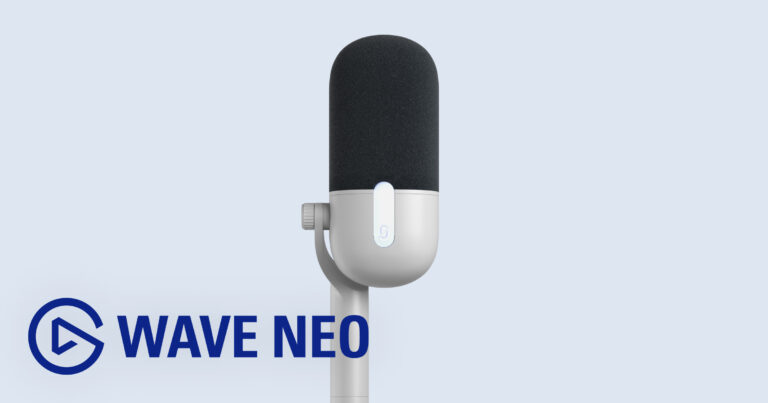 Elgato Wave Neo8.2/10Elgato Wave:3 MK.2 vs Elgato Wave Neo
Quick Verdict
- Elgato Wave:3 MK.2 8.2Best overallLeads in Capsule Quality & Fidelity, DSP Engine & Software
- HyperX QuadCast 2 7.7Leads in Interface Versatility & Patterns, Mounting & Shock