
Fifine AM8 vs Samson Q2U Comparison
Compare Fifine AM8 vs Samson Q2U side by side: specs, ratings, pros and cons, and which one fits your room best.
On this page
At a Glance
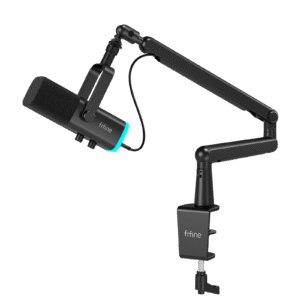
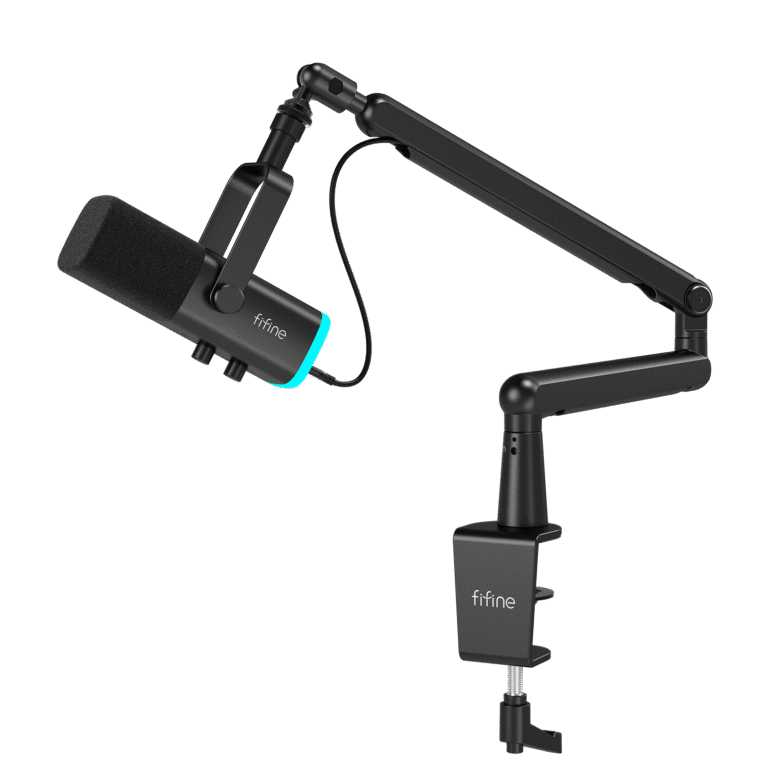
Want a cheap step up from a laptop or headset mic, with a path to XLR later? Fifine's AmpliGame AM8 is a budget cardioid dynamic offering both USB-C and XLR, a 50 Hz to 16 kHz response, 16-bit / 48 kHz USB recording, tap-to-mute, a gain knob, a headphone jack and switchable RGB lighting.
- Best For
- First-time streamers and budget home offices
- Microphone Type
- Dynamic USB/XLR
- Launch Price
- $59.99
- Polar Pattern
- Cardioid
- Sample Rate
- 44.1 to 48 kHz
- Headphone Monitoring
- 3.5 mm headphone output
- Mute Button
- Yes (tap)
- Connection
- USB-C, XLR
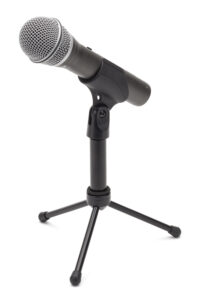
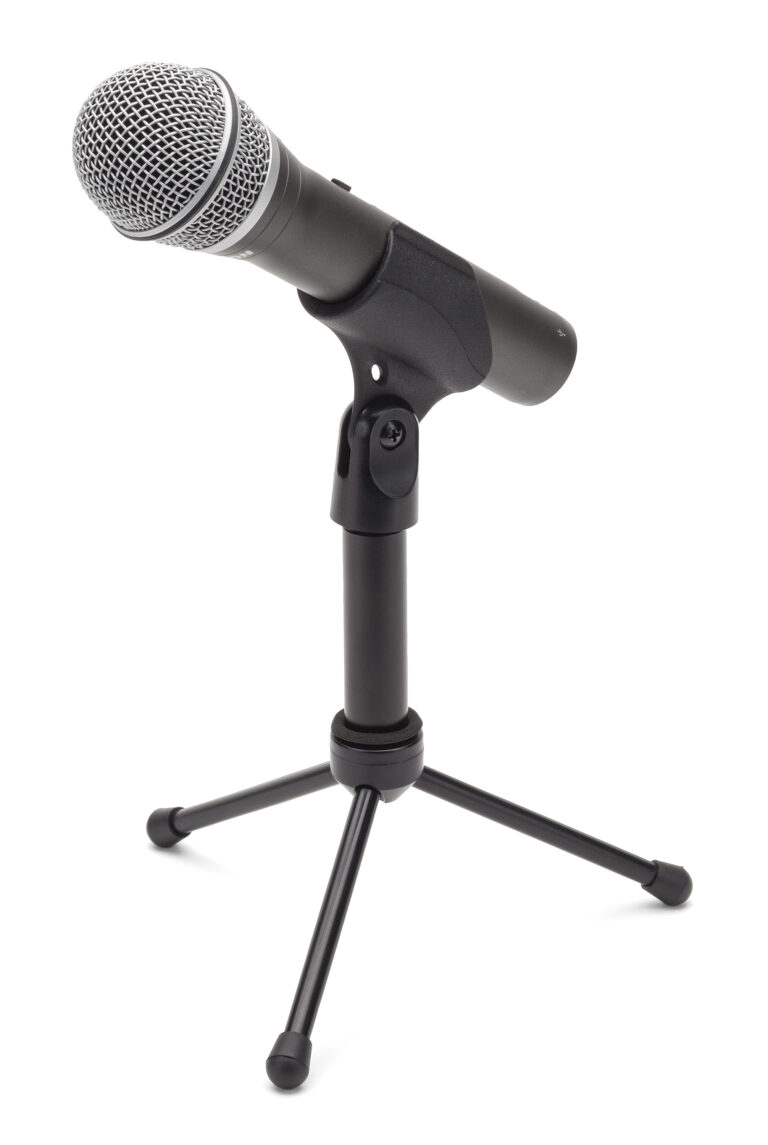
Want better call audio than a headset or laptop mic for very little money? The Samson Q2U is a handheld-style dynamic microphone with a cardioid pattern, USB and XLR outputs, a 3.5 mm headphone jack with volume control, and 16-bit conversion at up to 48 kHz.
- Best For
- Budget call and podcast setups
- Microphone Type
- Dynamic USB/XLR
- Launch Price
- $69.99
- Polar Pattern
- Cardioid
- Sample Rate
- 44.1 / 48 kHz
- Headphone Monitoring
- 3.5 mm headphone output
- Mute Button
- No
- Connection
- USB, XLR
Review Scores Compared
Expert Score
Capsule Quality & Fidelity
Interface Versatility & Patterns
On-Mic Hardware Controls
DSP Engine & Software
Mounting & Shock
Editorial Reviews Comparison
Capsule Quality & Fidelity
- Fifine AM87.1/10
- Samson Q2U7.4/10Leader
Fifine AM8
Fifine quotes a 50 Hz to 16 kHz response, a signal-to-noise ratio above 80 dB and 16-bit recording at up to 48 kHz over USB. Over XLR, resolution depends on your interface. Fifine's own comparison notes a shimmer at the top, which some will like and others will EQ down.
Samson Q2U
Samson quotes a frequency response of 50 Hz to 15 kHz, and the USB converter works at 16-bit with 44.1 or 48 kHz sample rates. That is narrow on paper, but voice sits comfortably inside it. Next to a condenser such as the Rode NT-USB+ it lacks air and fine detail.
Interface Versatility & Patterns
- Fifine AM89.2/10
- Samson Q2U9.2/10
Fifine AM8
The cardioid dynamic capsule focuses on the front of the mic. Speak from close range, around 5 to 10 cm, and room noise falls well behind your voice. That makes it more forgiving than budget condensers in a room with a loud PC or street noise. Keyboard clatter is reduced, though not removed, if the mic sits right beside the keyboard.
Samson Q2U
The cardioid dynamic capsule needs you to be close, ideally within a few centimetres. Sound from the sides and rear drops away quickly. That is exactly what makes it good in shared homes and offices. Keyboard clatter, a fan or a TV in the next room fade into the background as long as you speak into the end of the mic.
On-Mic Hardware Controls
- Fifine AM89.7/10Leader
- Samson Q2U5.9/10
Fifine AM8
The body has a tap-to-mute button, a gain knob and a headphone volume control, plus a 3.5 mm jack for monitoring. Holding the touch button toggles the RGB lighting. Hardware mute and gain make it easy to adjust on the fly during a meeting. The lighting can be turned off entirely, which matters for client calls where a rainbow glow would look out of place.
Samson Q2U
An on/off switch sits on the body, and a headphone volume knob sits next to the 3.5 mm jack on the base. There is no gain control or mute button. Without hardware mute, you rely on the meeting app or keyboard shortcut. The power switch can silence the mic, but it disconnects the device, which some apps handle badly mid-call.
DSP Engine & Software
- Fifine AM84.0/10
- Samson Q2U—
Fifine AM8
The AM8 does not include that companion app (not compatible with FIFINE Genie). The software or onboard controls also include monitoring (3.5 mm headphone output) and gain control (knob). Official capture is listed at 44.1 to 48 kHz and 16-bit.
Mounting & Shock
- Fifine AM89.0/10Leader
- Samson Q2U7.1/10
Fifine AM8
Fifine lists 395 g for the mic and about 580 g with its stand. The body is plastic with a metal grille, and a foam windscreen covers the capsule. The angular, cube-like body looks distinctive on camera, and the metal yoke lets you tilt it. That low weight is an advantage on inexpensive spring boom arms, which often sag under heavier all-metal broadcast mics after a few weeks of use.
Samson Q2U
The body is metal with a mesh grille, and it weighs about 320 g. Samson includes a small desktop tripod, a mic clip and a foam windscreen. A cheap boom arm and the included clip fix both issues, bringing the mic closer to your mouth and away from the desk surface.
Why Fifine AM8 Beats Samson Q2U (and Vice Versa)
Why Fifine AM8 beats Samson Q2U
- Better on-mic hardware controls: 9.7 vs 5.9 out of 10
- Better mounting & shock: 9.0 vs 7.1 out of 10
- Mute Button: Yes (tap) vs No
- Gain Control: Yes (knob) vs No (set in OS)
Why Samson Q2U beats Fifine AM8
- Weight: 320 g vs 395 g (mic), about 580 g with stand
- Pop Filter / Windscreen: Foam windscreen (included) vs Foam windscreen
- Max SPL: 148 dB vs 120 dB
Review-score leads of 0.5+ points out of 10 first, then specs where only one comes out ahead.
Full Specifications
General
| Fifine AM8 | Samson Q2U | |
|---|---|---|
| Best For | First-time streamers and budget home offices | Budget call and podcast setups |
| Release Year | 2022 Better | 2016 |
| Launch Price | $59.99 Better | $69.99 |
| Use Case | Gaming, streaming, calls | Calls, podcasts, streaming |
| Weight | 395 g (mic), about 580 g with stand | 320 g Better |
| Dimensions | — | 190 mm x 55 mm diameter |
| In the Box | — | Microphone, tripod stand, mic clip, windscreen, USB cable, XLR cable |
| Model Number | AM8 | Q2U |
Capsule Quality & Fidelity
| Fifine AM87.1/10 | Samson Q2U7.4/10 Better | |
|---|---|---|
| Transducer Type | Dynamic | Dynamic |
| Sample Rate | 44.1 to 48 kHz | 44.1 / 48 kHz |
| Bit Depth | 16-bit | 16-bit |
| Frequency Response | 50 Hz to 16 kHz | 50 Hz to 15 kHz |
| Max SPL | 120 dB | 148 dB Better |
| Sensitivity | -50 dB ±3 dB | -54 dBV/Pa |
| Signal-to-Noise Ratio | More than 80 dB | — |
| Microphone Type | Dynamic USB/XLR | Dynamic USB/XLR |
| Capsule Size | Dynamic | Dynamic |
Interface Versatility & Patterns
| Fifine AM89.2/10 | Samson Q2U9.2/10 | |
|---|---|---|
| Connection | USB-C, XLR | USB, XLR |
| XLR Output | Yes | Yes |
| Polar Pattern | Cardioid | Cardioid |
| Number of Patterns | 1 | 1 |
| USB Connector | USB-C | USB Mini-B |
| Cable | USB cable included; XLR cable not included | USB cable 2.25 m and XLR cable 3 m (included) |
| Phone / Tablet Support | Yes (with a proper USB adapter; official recommendation is a PC or laptop) | Yes (USB connection to a computer or mobile device) |
| OS Compatibility | Windows, macOS, PS4, PS5 | Windows, macOS |
| Works With | Windows, macOS, PS5 (not Xbox) | Mac, PC, Chromebook; most computer DAWs |
On-Mic Hardware Controls
| Fifine AM89.7/10 Better | Samson Q2U5.9/10 | |
|---|---|---|
| Gain Control | Yes (knob) Better | No (set in OS) |
| Zero-Latency Monitoring | Yes | Yes |
| Touch Mute | Yes | — |
| Headphone Monitoring | 3.5 mm headphone output | 3.5 mm headphone output |
| Headphone Volume | Yes | Yes |
| Lighting | RGB (switchable) | Yes (dual-color power/clip LED) |
| Mute Button | Yes (tap) Better | No |
DSP Engine & Software
| Fifine AM84.0/10 | Samson Q2U | |
|---|---|---|
| Software / DSP | No (not compatible with FIFINE Genie) | — |
Mounting & Shock
| Fifine AM89.0/10 Better | Samson Q2U7.1/10 | |
|---|---|---|
| Mount Thread | 3/8 in and 5/8 in | Standard mic clip thread |
| Stand / Mount | Desk stand (included) | Desktop tripod (included) |
| Pop Filter / Windscreen | Foam windscreen | Foam windscreen (included) Better |
| Boom Arm Compatible | Yes | Yes |
| Materials | Plastic body, metal grille | Metal body and grille |
Takeaways
- Fifine AM8 costs the least ($59.99), and Samson Q2U the most ($69.99).
- It's a tie on our rating (3.8/5) between Fifine AM8 and Samson Q2U, so choose on the rows that matter most to you.
- Choose Fifine AM8 for first-time streamers and budget home offices.
- Choose Samson Q2U for budget call and podcast setups.
Pros and Cons
Fifine AM8
PROS
- Very low price for USB plus XLR
- Tap-to-mute and gain knob
- Dynamic capsule handles noisy rooms
- RGB can be switched off
CONS
- 16-bit USB recording
- Plastic body
- Controls and RGB only work over USB
Samson Q2U
PROS
- Dynamic capsule rejects room noise
- USB and XLR outputs
- Very low price
- Includes stand, clip and windscreen
CONS
- Limited 15 kHz top end
- Basic desktop tripod
- No mute button
Similar Comparisons
 Fifine AM87.6/10
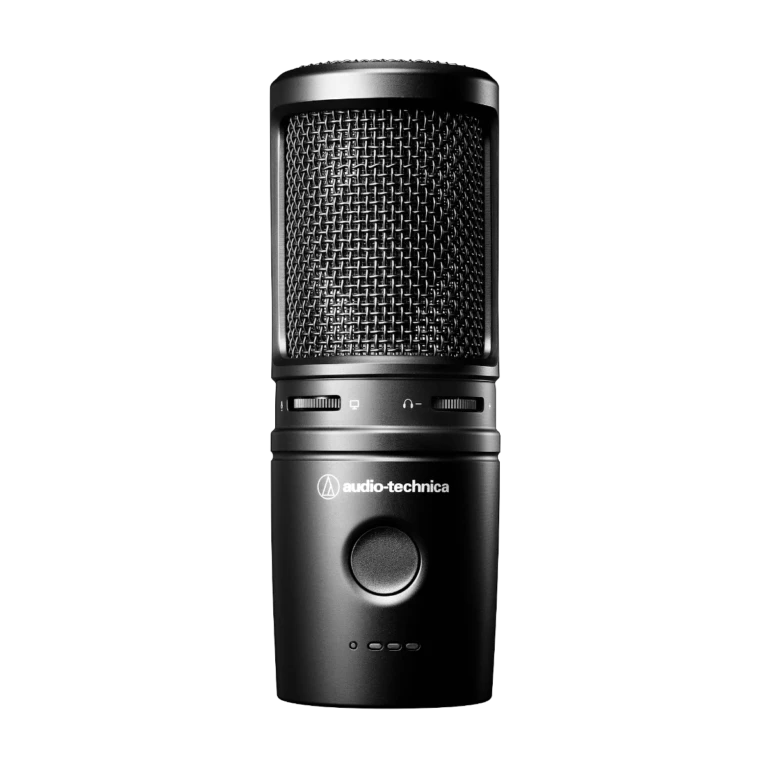 Audio-Technica AT2020USB-XP8.8/10Fifine AM8 vs Audio-Technica AT2020USB-XP
- Fifine AM87.6/10
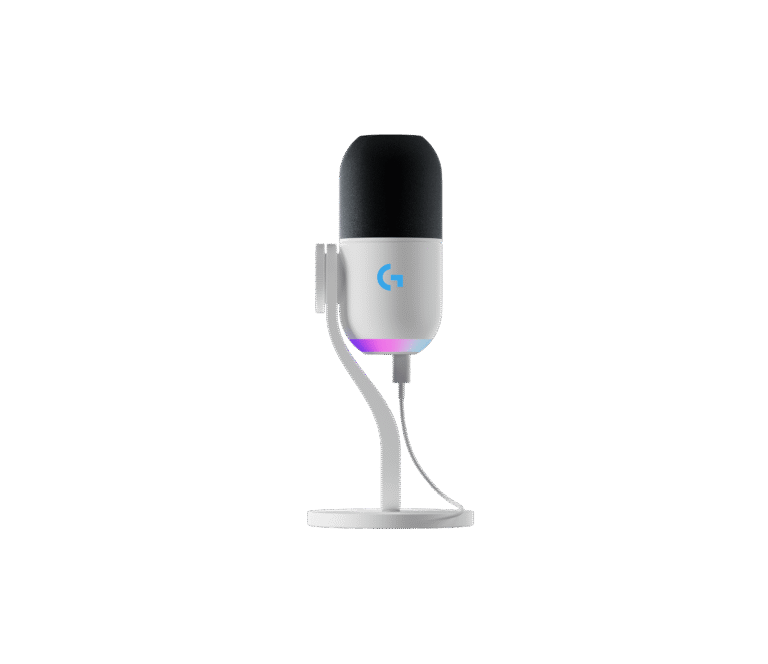 Logitech G Yeti GX8.8/10Fifine AM8 vs Logitech G Yeti GX
 Samson Q2U7.5/10Audio-Technica AT2020USB-XP8.8/10Samson Q2U vs Audio-Technica AT2020USB-XP
- Samson Q2U7.5/10Logitech G Yeti GX8.8/10Samson Q2U vs Logitech G Yeti GX
Quick Verdict
- Fifine AM8 7.6Best overallLeads in On-Mic Hardware Controls, Mounting & Shock
- Samson Q2U 7.5Leads in Capsule Quality & Fidelity