
Maono PD400X vs Razer Seiren V3 Mini Comparison
Compare Maono PD400X vs Razer Seiren V3 Mini side by side: specs, ratings, pros and cons, and which one fits your room best.
On this page

At a Glance
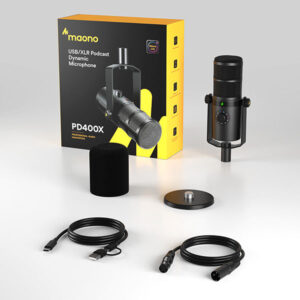
Want a dynamic mic that works over USB today and can move to an interface later? Maono's PD400X pairs a cardioid dynamic capsule with both USB-C and XLR connections, records at 24-bit / 48 kHz, a 40 Hz to 16 kHz response, up to 42 dB of gain, tap-to-mute and a multi-function knob for gain, headphone volume and monitor mix.
- Best For
- Budget-conscious podcasters and remote workers
- Microphone Type
- Dynamic USB/XLR
- Launch Price
- $169.99
- Polar Pattern
- Cardioid
- Sample Rate
- 48 kHz
- Headphone Monitoring
- 3.5 mm headphone output
- Mute Button
- Yes (tap)
- Connection
- USB-C, XLR
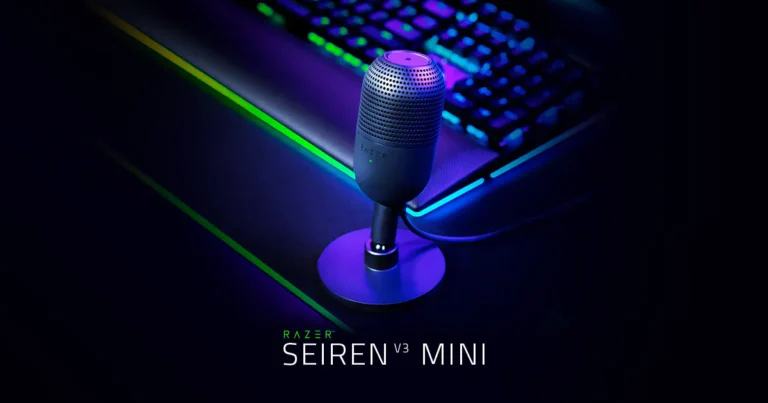
Want a simple, compact USB mic upgrade for calls on a tight budget? The Razer Seiren V3 Mini is a compact USB condenser microphone with a 14 mm capsule, 24-bit / 96 kHz recording, a tap-to-mute sensor with LED indicator, and a 3.5 mm headphone jack.
- Best For
- Budget desks with little space
- Microphone Type
- Condenser USB
- Launch Price
- $59.99
- Polar Pattern
- Supercardioid
- Sample Rate
- Up to 96 kHz
- Headphone Monitoring
- 3.5 mm headphone output
- Mute Button
- Yes (tap-to-mute)
- Connection
- USB
Review Scores Compared
Expert Score
Capsule Quality & Fidelity
Interface Versatility & Patterns
On-Mic Hardware Controls
DSP Engine & Software
Mounting & Shock
Editorial Reviews Comparison
Capsule Quality & Fidelity
- Maono PD400X8.5/10
- Razer Seiren V3 Mini8.8/10Leader
Maono PD400X
Maono specifies a 40 Hz to 16 kHz frequency response, 24-bit / 48 kHz USB conversion and more than 130 dB maximum SPL. The dynamic capsule is tuned for speech rather than instruments. The Shure MV7+ is the pricier dynamic alternative.
Razer Seiren V3 Mini
The 14 mm condenser capsule records at up to 24-bit / 96 kHz. That is a small capsule by condenser standards, tuned for speech rather than singing or instruments. Against the Elgato Wave 3 it sounds lighter and less polished, but it costs less than half as much and still serves daily calls well.
Interface Versatility & Patterns
- Maono PD400X9.2/10Leader
- Razer Seiren V3 Mini7.7/10
Maono PD400X
The cardioid pattern favours the front of the mic and rejects the rear. Like most broadcast dynamics, it rewards speaking from a short distance of about 5 to 10 cm. Move back to 30 cm and your level drops sharply, so it is not a mic to leave at the edge of the desk.
Razer Seiren V3 Mini
Razer describes the pickup pattern as tighter than its predecessor, aimed at reducing background noise. It still behaves like a condenser and hears the room. The compact size makes it easy to position close to your mouth on a small stand, which is the best way to improve voice-to-noise ratio.
On-Mic Hardware Controls
- Maono PD400X9.7/10
- Razer Seiren V3 Mini9.7/10
Maono PD400X
A single knob handles mic gain, headphone volume and monitor mix, and pressing a touch area mutes the mic. A 3.5 mm jack on the base provides direct monitoring. The ring light shows status, so you can confirm you are muted before speaking to someone in the room. Maono Link software adds EQ and further processing on Windows and macOS.
Razer Seiren V3 Mini
A tap-to-mute sensor on top silences the mic, with an LED that shows status. A dial adjusts headphone volume, and the 3.5 mm jack offers zero-latency monitoring. Tap-to-mute is quick and silent, which suits meetings where you mute often. There is no physical gain knob, so input level is set in Razer Synapse or the operating system.
DSP Engine & Software
- Maono PD400X4.8/10
- Razer Seiren V3 Mini6.0/10Leader
Maono PD400X
The PD400X uses Maono Link for its companion software. Onboard DSP is listed as EQ, limiter, and compressor via Maono Link. The software or onboard controls also include EQ or presets (EQ in Maono Link), monitoring (3.5 mm headphone output), gain control (Yes, 0 to +42 dB), a mix control and a limiter (via Maono Link).
Razer Seiren V3 Mini
The Seiren V3 Mini uses Razer Synapse for its companion software. The software or onboard controls also include monitoring (3.5 mm headphone output), gain control (Software only) and a mix control (stream mix in Razer Synapse). Official capture is listed at up to 96 kHz and 24-bit.
Mounting & Shock
- Maono PD400X9.0/10
- Razer Seiren V3 Mini10.0/10Leader
Maono PD400X
TechPowerUp measured about 734 g for the mic and roughly 1.04 kg with the stand. The body and grille are metal, and a yoke mount accepts 3/8 and 5/8 inch threads. The weight does mean cheaper spring arms may droop, so check the arm's load rating before you buy. A foam windscreen helps with plosives, and the included desk stand is fine for casual use, though most owners will move it onto a boom.
Razer Seiren V3 Mini
The Mini weighs about 269 g including its stand. The body is compact plastic, with a tilting stand that lets you angle the capsule toward your mouth. The small footprint is its main appeal, fitting between a keyboard and monitor without crowding. The stand is stable, though it cannot be raised, so the mic sits low on most desks.
Why Maono PD400X Beats Razer Seiren V3 Mini (and Vice Versa)
Why Maono PD400X beats Razer Seiren V3 Mini
- Better interface versatility & patterns: 9.2 vs 7.7 out of 10
- Polar Pattern: Cardioid vs Supercardioid
- Transducer Type: Dynamic vs Condenser
- XLR Output: Yes vs No
Why Razer Seiren V3 Mini beats Maono PD400X
- Better dsp engine & software: 6.0 vs 4.8 out of 10
- Better mounting & shock: 10.0 vs 9.0 out of 10
- Weight: 269 g vs 734 g (mic), about 1.04 kg with stand
- Sample Rate: Up to 96 kHz vs 48 kHz
Review-score leads of 0.5+ points out of 10 first, then specs where only one comes out ahead.
Full Specifications
General
| Maono PD400X | Razer Seiren V3 Mini | |
|---|---|---|
| Best For | Budget-conscious podcasters and remote workers | Budget desks with little space |
| Release Year | 2023 | 2024 |
| Launch Price | $169.99 | $59.99 Better |
| Use Case | Podcasts, calls, streaming | Calls, gaming, streaming |
| Weight | 734 g (mic), about 1.04 kg with stand | 269 g Better |
| Dimensions | 85 x 220 mm | — |
| Colors | — | Quartz, Black, White |
| Warranty | — | 1 year |
| Model Number | PD400X | RZ19-0505 |
Capsule Quality & Fidelity
| Maono PD400X8.5/10 | Razer Seiren V3 Mini8.8/10 Better | |
|---|---|---|
| Transducer Type | Dynamic Better | Condenser |
| Sample Rate | 48 kHz | Up to 96 kHz Better |
| Bit Depth | 24-bit | 24-bit |
| Frequency Response | 40 Hz to 16 kHz | — |
| Max SPL | More than 130 dB | — |
| Sensitivity | XLR -51.2 dBV/Pa; USB -8.5 dBFS/Pa (max) | — |
| Microphone Type | Dynamic USB/XLR | Condenser USB |
| Capsule Size | Dynamic | 14 mm condenser |
Interface Versatility & Patterns
| Maono PD400X9.2/10 Better | Razer Seiren V3 Mini7.7/10 | |
|---|---|---|
| Connection | USB-C, XLR | USB |
| XLR Output | Yes Better | No |
| Polar Pattern | Cardioid Better | Supercardioid |
| Number of Patterns | 1 | 1 |
| USB Connector | USB-C | — |
| Phone / Tablet Support | Yes | — |
| OS Compatibility | Windows, macOS, Android | Windows, macOS, PS5 |
| Works With | PC, smartphones, PS4, PS5, audio interfaces | Discord, OBS Studio, XSplit |
On-Mic Hardware Controls
| Maono PD400X9.7/10 | Razer Seiren V3 Mini9.7/10 | |
|---|---|---|
| Gain Control | Yes, 0 to +42 dB | Software only |
| Zero-Latency Monitoring | Yes | Yes |
| Touch Mute | Yes | Yes |
| Headphone Monitoring | 3.5 mm headphone output | 3.5 mm headphone output |
| Mix Control | Yes | Yes (stream mix in Razer Synapse) |
| Headphone Volume | Yes | Yes |
| Lighting | Yes (LED mute / status indicator) | Mute LED |
| Mute Button | Yes (tap) | Yes (tap-to-mute) |
DSP Engine & Software
| Maono PD400X4.8/10 | Razer Seiren V3 Mini6.0/10 Better | |
|---|---|---|
| Onboard DSP | EQ, limiter, and compressor via Maono Link | — |
| Software / DSP | Maono Link | Razer Synapse |
| Limiter / Clip Guard | Yes (via Maono Link) | — |
| Presets / EQ | Yes (EQ in Maono Link) | — |
Mounting & Shock
| Maono PD400X9.0/10 | Razer Seiren V3 Mini10.0/10 Better | |
|---|---|---|
| Shock Mount | — | Yes (built-in shock absorber in the tilting stand) |
| Mount Thread | 3/8 and 5/8 inch | 5/8 in (3/8 in adapter may be required) |
| Stand / Mount | Desktop stand (bundle dependent) | Tilting desk stand |
| Pop Filter / Windscreen | Foam windscreen | — |
| Boom Arm Compatible | Yes | Yes (detachable stand; 5/8 in thread, 3/8 in adapter may be required) |
| Materials | Metal body and grille | — |
Takeaways
- Razer Seiren V3 Mini costs the least ($59.99), and Maono PD400X the most ($169.99).
- It's a tie on our rating (4.2/5) between Maono PD400X and Razer Seiren V3 Mini, so choose on the rows that matter most to you.
- Choose Maono PD400X for budget-conscious podcasters and remote workers.
- Choose Razer Seiren V3 Mini for budget desks with little space.
Pros and Cons
Maono PD400X
PROS
- USB-C and XLR outputs at a low price
- Tap-to-mute and a 3-in-1 control knob
- All-metal body
- Maono Link software for EQ and processing
CONS
- Heavy for light boom arms
- Needs close positioning for best results
- Frequency response stops at 16 kHz
Razer Seiren V3 Mini
PROS
- Very compact footprint
- Tap-to-mute with LED
- Low price
- Plug and play USB
CONS
- Small capsule lacks warmth
- Hears keyboard noise
- Stand is not adjustable in height
Similar Comparisons
 Razer Seiren V3 Mini8.4/10
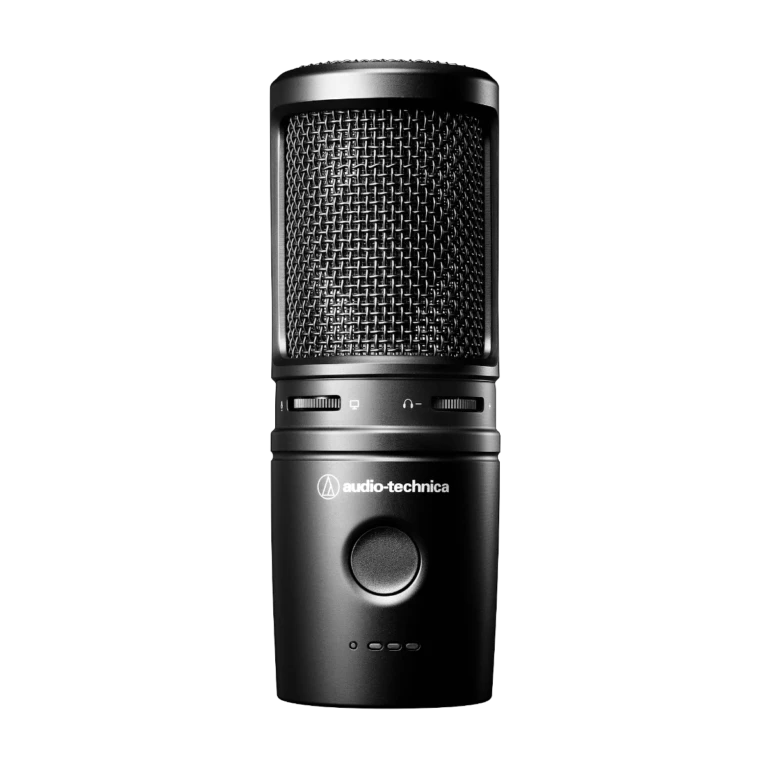 Audio-Technica AT2020USB-XP8.8/10Razer Seiren V3 Mini vs Audio-Technica AT2020USB-XP
- Razer Seiren V3 Mini8.4/10
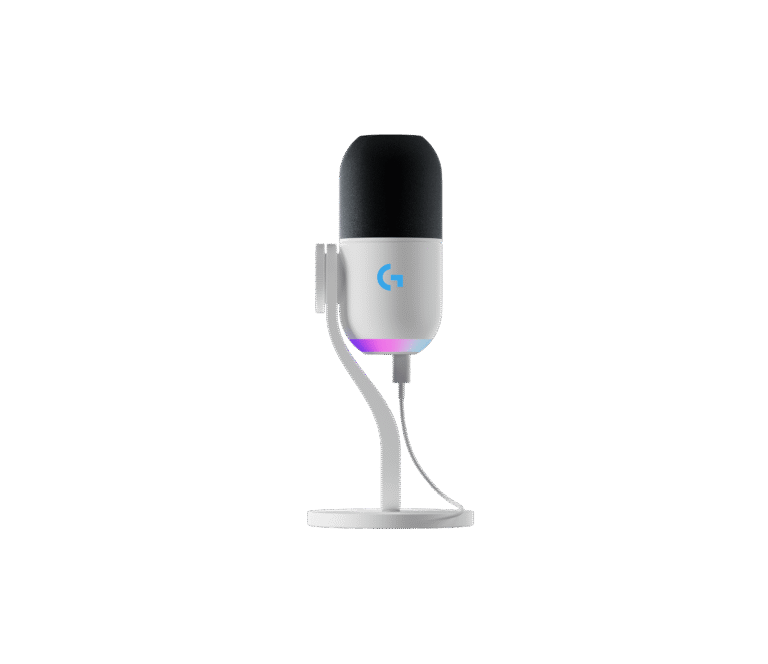 Logitech G Yeti GX8.8/10Razer Seiren V3 Mini vs Logitech G Yeti GX
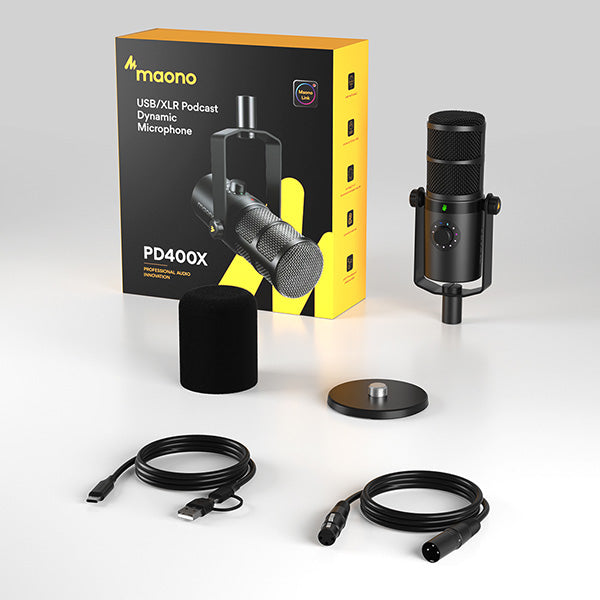 Maono PD400X8.3/10Audio-Technica AT2020USB-XP8.8/10Maono PD400X vs Audio-Technica AT2020USB-XP
- Maono PD400X8.3/10Logitech G Yeti GX8.8/10Maono PD400X vs Logitech G Yeti GX
Quick Verdict
- Maono PD400X 8.3Leads in Interface Versatility & Patterns
- Razer Seiren V3 Mini 8.4Best overallLeads in Capsule Quality & Fidelity, DSP Engine & Software, Mounting & Shock