
Apogee HypeMiC vs Logitech G Yeti GX Comparison
Compare Apogee HypeMiC vs Logitech G Yeti GX side by side: specs, ratings, pros and cons, and which one fits your room best.
On this page
At a Glance
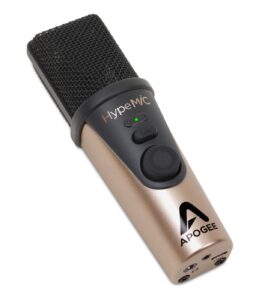
Recording podcasts or auditions on the move from a phone or laptop? The Apogee HypeMiC is a cardioid condenser USB microphone with a built-in analogue compressor offering three presets, 24-bit / 96 kHz conversion, 130 dB maximum SPL, a headphone output with Blend control and cables for USB-C, USB-A and Lightning.
- Best For
- Travelling voice actors and mobile podcasters
- Microphone Type
- Condenser USB
- Launch Price
- $349
- Polar Pattern
- Cardioid
- Sample Rate
- Up to 96 kHz
- Headphone Monitoring
- Headphone output with Blend
- Mute Button
- No
- Connection
- Micro-USB
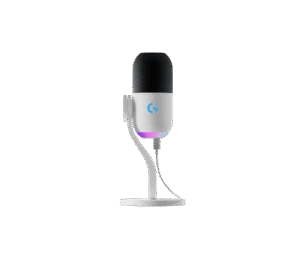
Type loudly or share a room and want a focused dynamic USB mic? The Logitech G Yeti GX is a dynamic USB-C microphone with a supercardioid pickup pattern, 24-bit / 96 kHz recording, Blue VO!CE processing through G HUB, a headphone jack and customisable lighting.
- Best For
- Gamers and callers in noisy rooms
- Microphone Type
- Dynamic USB
- Launch Price
- $149.99
- Polar Pattern
- Supercardioid
- Sample Rate
- Up to 96 kHz
- Headphone Monitoring
- 3.5 mm headphone output
- Mute Button
- Yes (press dial)
- Connection
- USB-C
Review Scores Compared
Expert Score
Capsule Quality & Fidelity
Interface Versatility & Patterns
On-Mic Hardware Controls
DSP Engine & Software
Mounting & Shock
Editorial Reviews Comparison
Capsule Quality & Fidelity
- Apogee HypeMiC8.8/10
- Logitech G Yeti GX9.3/10Leader
Apogee HypeMiC
Apogee lists 24-bit / 96 kHz conversion, a maximum SPL of 130 dB, -36 dBFS sensitivity and up to 46 dB of preamp gain. The cardioid condenser capsule is tuned for voice and acoustic instruments. Voices sound clean, close and detailed, with a finished quality that usually needs processing afterwards.
Logitech G Yeti GX
The dynamic capsule feeds a converter running at up to 24-bit / 96 kHz. Logitech tunes it for speech, with a focused midrange that sits forward in a mix with game audio or music. Blue VO!CE in G HUB adds EQ, compression and a noise gate for broadcast-style polish. Without the software, the raw sound is clean but slightly plain.
Interface Versatility & Patterns
- Apogee HypeMiC7.7/10
- Logitech G Yeti GX7.7/10
Apogee HypeMiC
The cardioid capsule captures mainly from the front of the mic. As a condenser, it still hears room reflections and distant noise more than a dynamic. In a bare office or near traffic, background sound becomes noticeable on calls. The compressor raises quiet passages, which can also lift room tone between sentences, so lighter settings suit meetings better than the heaviest preset.
Logitech G Yeti GX
Supercardioid pickup is narrower than cardioid, rejecting sound from the sides with a small lobe at the rear. That shape is built for gamers with loud mechanical keyboards. The trade-off is that you must stay on axis. Turning to a second monitor changes your level, so a boom arm that keeps the mic in front of your mouth helps.
On-Mic Hardware Controls
- Apogee HypeMiC8.0/10
- Logitech G Yeti GX9.7/10Leader
Apogee HypeMiC
A dial on the front sets gain or headphone level, and a soft key cycles three Blend positions between direct mic signal and computer playback. A separate button cycles the three compressor presets. Blend lets you hear yourself with no delay while also hearing a director or remote guest, a practical feature for voice actors recording live sessions.
Logitech G Yeti GX
A control dial on the mic adjusts gain and mutes with a press, and a 3.5 mm headphone jack provides zero-latency monitoring. Hardware mute is a big plus for meetings, because it works regardless of the app. The lighting changes colour when muted, which helps you check status at a glance during long calls.
DSP Engine & Software
- Apogee HypeMiC7.4/10Leader
- Logitech G Yeti GX7.1/10
Apogee HypeMiC
The HypeMiC uses MetaRecorder (optional; also works with any audio app) for its companion software. Onboard DSP is listed as Analogue compressor with three presets. The software or onboard controls also include EQ or presets (3 analog compressor settings), monitoring (Headphone output with Blend), gain control (dial, up to 46 dB) and a mix control (Blend, three positions).
Logitech G Yeti GX
The Yeti GX uses Logitech G HUB for its companion software. Onboard DSP is listed as Blue VO!CE (via G HUB). The software or onboard controls also include monitoring (3.5 mm headphone output), gain control (dial) and a limiter (analog limiter / Smart Audio Lock). Official capture is listed at up to 96 kHz and 24-bit.
Mounting & Shock
- Apogee HypeMiC10.0/10
- Logitech G Yeti GX10.0/10
Apogee HypeMiC
HypeMiC measures 124 x 38 x 38 mm and weighs 200 g. It ships with a desktop tripod, a mic stand adapter, a pop filter and a carry case. The metal body and included case make it easy to carry in a laptop bag. The small tripod puts it at desk height, though not quite at mouth level when you sit upright.
Logitech G Yeti GX
Logitech lists the weight at 616 g, and the mic ships with a desk stand. The body is solid metal and plastic, with a rubberised base that resists sliding. The stand raises the capsule reasonably high, and the mic can be removed for a boom arm. Lighting around the body is customisable, and you can switch it off for a more professional look on calls.
Why Apogee HypeMiC Beats Logitech G Yeti GX (and Vice Versa)
Why Apogee HypeMiC beats Logitech G Yeti GX
- Weight: 200 g vs 616 g
- Polar Pattern: Cardioid vs Supercardioid
- Software / DSP: MetaRecorder (optional; also works with any audio app) vs Logitech G HUB
Why Logitech G Yeti GX beats Apogee HypeMiC
- Better on-mic hardware controls: 9.7 vs 8.0 out of 10
- Better capsule quality & fidelity: 9.3 vs 8.8 out of 10
- Transducer Type: Dynamic vs Condenser
- Mute Button: Yes (press dial) vs No
Review-score leads of 0.5+ points out of 10 first, then specs where only one comes out ahead.
Full Specifications
General
| Apogee HypeMiC | Logitech G Yeti GX | |
|---|---|---|
| Best For | Travelling voice actors and mobile podcasters | Gamers and callers in noisy rooms |
| Release Year | 2019 | 2023 Better |
| Launch Price | $349 | $149.99 Better |
| Use Case | Voice-over, podcasts, mobile recording | Gaming, streaming, calls |
| Weight | 200 g Better | 616 g |
| Dimensions | 124 x 38 x 38 mm | — |
| In the Box | Mic, tripod, stand adapter, pop filter, case, three cables | Microphone, desktop stand, USB-C to USB-A cable, windscreen |
| Warranty | 1 year | — |
| Model Number | HypeMiC | Yeti GX |
Capsule Quality & Fidelity
| Apogee HypeMiC8.8/10 | Logitech G Yeti GX9.3/10 Better | |
|---|---|---|
| Transducer Type | Condenser | Dynamic Better |
| Sample Rate | Up to 96 kHz | Up to 96 kHz |
| Bit Depth | 24-bit | 24-bit |
| Self-Noise | -108 dBFS (A) at 0 dB gain | — |
| Max SPL | 130 dB (1% THD at 1 kHz) | — |
| Sensitivity | -36 dBFS (94 dB SPL, 1 kHz) | — |
| Microphone Type | Condenser USB | Dynamic USB |
| Capsule Size | Condenser | Dynamic |
Interface Versatility & Patterns
| Apogee HypeMiC7.7/10 | Logitech G Yeti GX7.7/10 | |
|---|---|---|
| Connection | Micro-USB | USB-C |
| XLR Output | No | No |
| Polar Pattern | Cardioid Better | Supercardioid |
| Number of Patterns | 1 | 1 |
| USB Connector | Micro-USB | USB-C |
| Cable | Micro-USB to USB-C, USB-A and Lightning | USB-C to USB-A (included) |
| Phantom Power | No (USB bus powered) | — |
| Wireless | No (wired USB) | — |
| Phone / Tablet Support | Yes (iPhone and iPad) | — |
| OS Compatibility | macOS, Windows, iOS | Windows, macOS |
On-Mic Hardware Controls
| Apogee HypeMiC8.0/10 | Logitech G Yeti GX9.7/10 Better | |
|---|---|---|
| Gain Control | Yes (dial, up to 46 dB) | Yes (dial) |
| Zero-Latency Monitoring | Yes | Yes |
| Headphone Monitoring | Headphone output with Blend | 3.5 mm headphone output |
| Mix Control | Yes (Blend, three positions) | — |
| Headphone Volume | — | Yes |
| Lighting | Yes (3 status / level / blend LEDs) | Customisable lighting |
| Mute Button | No | Yes (press dial) Better |
DSP Engine & Software
| Apogee HypeMiC7.4/10 Better | Logitech G Yeti GX7.1/10 | |
|---|---|---|
| Onboard DSP | Analogue compressor with three presets | Blue VO!CE (via G HUB) |
| Software / DSP | MetaRecorder (optional; also works with any audio app) Better | Logitech G HUB |
| Limiter / Clip Guard | — | Yes (analog limiter / Smart Audio Lock) |
| Presets / EQ | Yes (3 analog compressor settings) | — |
Mounting & Shock
| Apogee HypeMiC10.0/10 | Logitech G Yeti GX10.0/10 | |
|---|---|---|
| Stand / Mount | Desktop tripod (included) | Desk stand (included) |
| Pop Filter / Windscreen | Yes (included) | Yes (windscreen included) |
| Boom Arm Compatible | Yes (microphone stand adapter included) | Yes (included desktop stand or a boom arm) |
Takeaways
- Logitech G Yeti GX costs the least ($149.99), and Apogee HypeMiC the most ($349).
- Our pick: Logitech G Yeti GX, with the highest spec-based rating (4.4/5).
- Choose Apogee HypeMiC for travelling voice actors and mobile podcasters.
- Choose Logitech G Yeti GX for gamers and callers in noisy rooms.
Pros and Cons
Apogee HypeMiC
PROS
- Analogue compressor evens out levels
- 24-bit / 96 kHz conversion
- Very small and light at 200 g
- Works with iPhone, iPad, Mac and PC
CONS
- Condenser picks up room sound
- Micro-USB port on the mic
- Expensive at full price
Logitech G Yeti GX
PROS
- Supercardioid dynamic capsule rejects noise
- 24-bit / 96 kHz conversion
- Blue VO!CE voice processing
- Solid stand included
CONS
- Needs close positioning
- Processing requires G HUB on a PC
- Lighting may not suit formal offices
Similar Comparisons
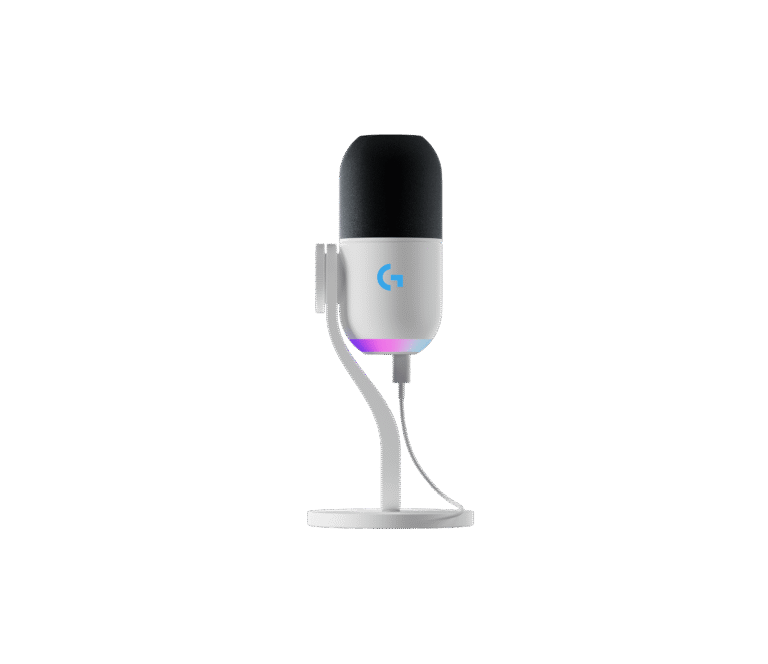 Logitech G Yeti GX8.8/10
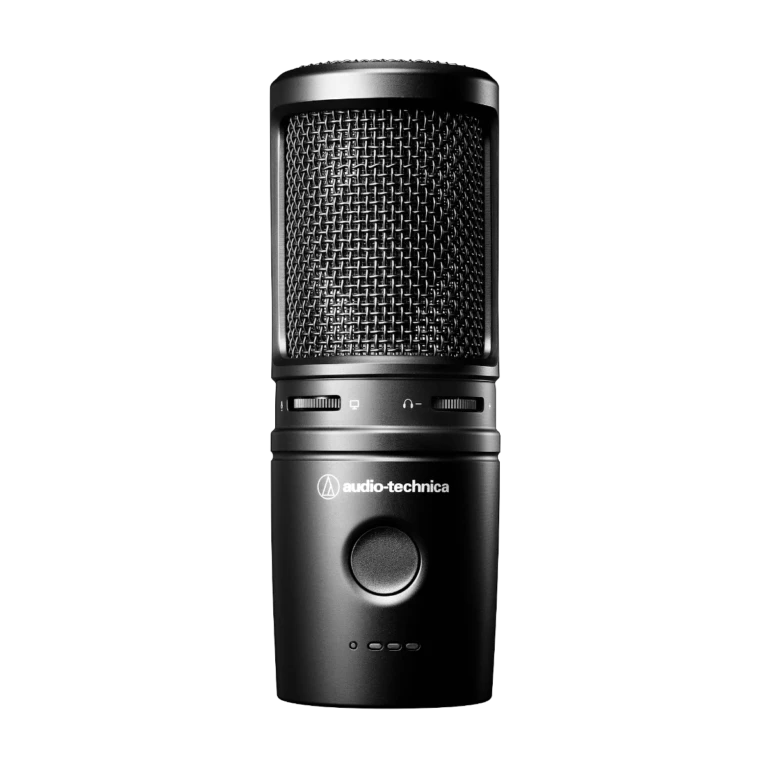 Audio-Technica AT2020USB-XP8.8/10Logitech G Yeti GX vs Audio-Technica AT2020USB-XP
- Logitech G Yeti GX8.8/10
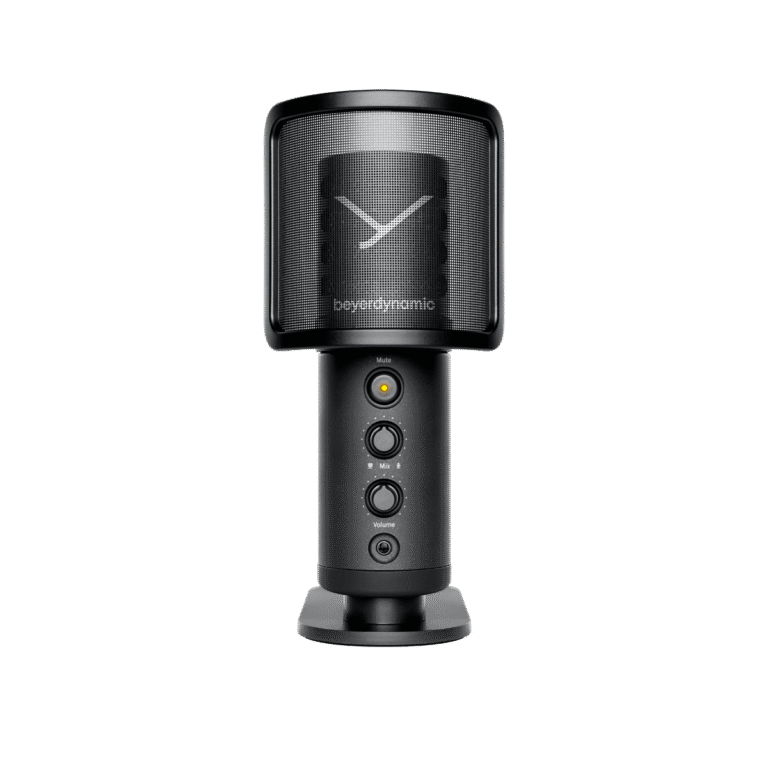 Beyerdynamic FOX8.7/10Logitech G Yeti GX vs Beyerdynamic FOX
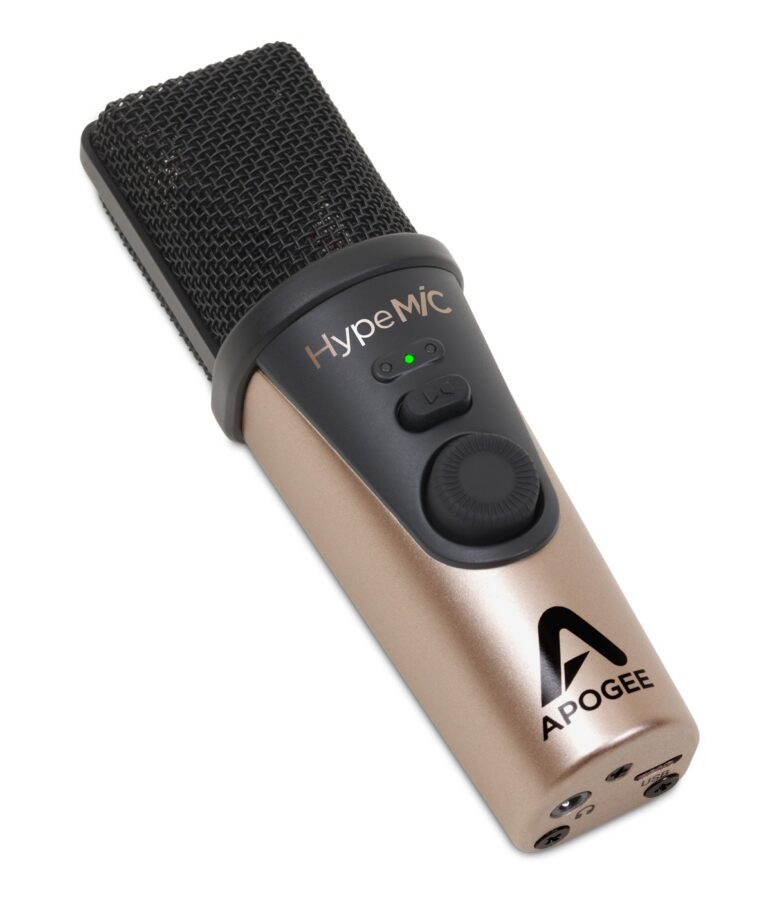 Apogee HypeMiC8.4/10Audio-Technica AT2020USB-XP8.8/10Apogee HypeMiC vs Audio-Technica AT2020USB-XP
- Logitech G Yeti GX8.8/10
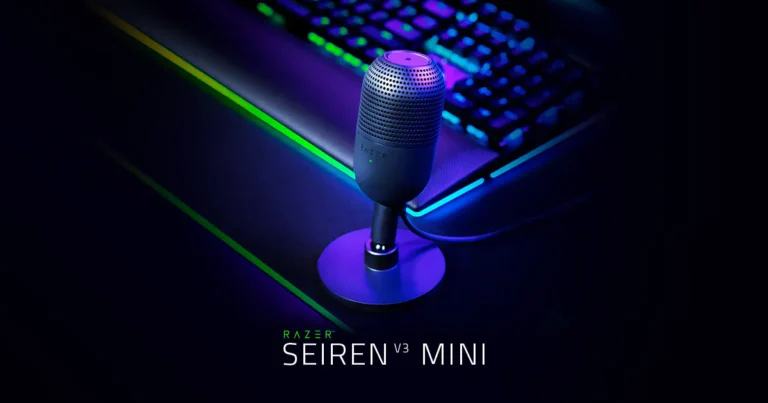 Razer Seiren V3 Mini8.4/10Logitech G Yeti GX vs Razer Seiren V3 Mini
Quick Verdict
- Apogee HypeMiC 8.4Leads in DSP Engine & Software
- Logitech G Yeti GX 8.8Best overallLeads in Capsule Quality & Fidelity, On-Mic Hardware Controls