
Audio-Technica AT2040USB vs Rode NT-USB+ Comparison
Compare Audio-Technica AT2040USB vs Rode NT-USB+ side by side: specs, ratings, pros and cons, and which one fits your room best.
On this page

At a Glance
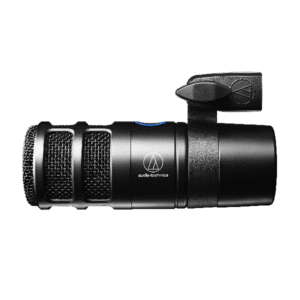
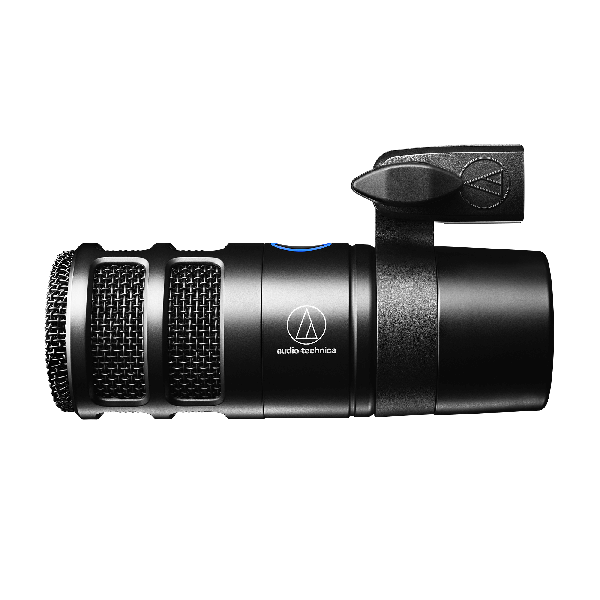
Working at a desk with a noisy setup and want a simple USB mic with silent mute? The Audio-Technica AT2040USB is a hypercardioid dynamic USB-C microphone with 24-bit / 96 kHz conversion, an 80 Hz to 16 kHz response, an integrated shock mount, an internal pop filter, a switchable low-cut filter and a silent touch-sensitive mute.
- Best For
- Streamers and callers next to loud PCs
- Microphone Type
- Dynamic USB
- Launch Price
- $149
- Polar Pattern
- Hypercardioid
- Sample Rate
- 44.1, 48, 88.2, 96 kHz
- Headphone Monitoring
- 3.5 mm headphone output (77 mW at 32 ohms)
- Mute Button
- Yes (capacitive touch)
- Connection
- USB-C
Working in an already quiet room and care about voice tone on recordings and calls? The Rode NT-USB+ is a cardioid condenser USB-C microphone with Rode's Revolution preamp and APHEX processing, built for voiceover, podcasts and clear video calls from a quiet desk.
- Best For
- Quiet home offices and voiceover
- Microphone Type
- Condenser
- Launch Price
- —
- Polar Pattern
- Cardioid
- Sample Rate
- 48 kHz
- Headphone Monitoring
- Yes (3.5 mm)
- Mute Button
- No
- Connection
- USB-C
Review Scores Compared
Expert Score
Capsule Quality & Fidelity
Interface Versatility & Patterns
On-Mic Hardware Controls
DSP Engine & Software
Mounting & Shock
Editorial Reviews Comparison
Capsule Quality & Fidelity
- Audio-Technica AT2040USB7.2/10
- Rode NT-USB+8.0/10Leader
Audio-Technica AT2040USB
Audio-Technica specifies an 80 Hz to 16 kHz response and a high-resolution converter rated for 24-bit / 96 kHz. The low-cut filter rolls off at 80 Hz with an 18 dB per octave slope. Speech sounds focused and smooth, with a controlled low end that avoids boominess at close range.
Rode NT-USB+
Rode specifies 20 Hz to 20 kHz at 24-bit / 48 kHz, so on paper it covers the full audible range. The Elgato Wave:3 MK.2 is its closest USB condenser rival. In a carpeted, furnished room the voice sounds close and finished. On a call it simply sounds like you, which is the highest compliment for a meeting mic.
Interface Versatility & Patterns
- Audio-Technica AT2040USB7.7/10
- Rode NT-USB+7.7/10
Audio-Technica AT2040USB
Hypercardioid pickup is narrower than cardioid at the sides, with a small rear lobe. Audio-Technica designed it to reduce ambient noise such as the hum of a computer fan. Aimed at your mouth from about 5 to 10 cm, it keeps keyboards and room sound well down. Turn your head to a second screen and your level drops faster than with a cardioid model.
Rode NT-USB+
The capsule is a cardioid condenser. It rejects the rear but still hears side reflections and desk noise more than a dynamic, so placement matters. Rode Central and Rode Connect add a high-pass filter, a noise gate and a compressor. Used together they reduce PC fan noise and light keyboard taps without making the voice sound processed.
On-Mic Hardware Controls
- Audio-Technica AT2040USB7.6/10
- Rode NT-USB+8.0/10Leader
Audio-Technica AT2040USB
The mic has a silent capacitive mute, a headphone level control, a mix control and a low-cut switch. A two-state LED ring glows blue when live and red when muted. The touch mute makes no sound at all, which makes it one of the best mute designs for meetings. The colour ring is visible on camera, so others can see when you have muted yourself.
Rode NT-USB+
Controls are minimal. A single knob on the front sets headphone volume, and the 3.5 mm output gives zero-latency monitoring through the Revolution preamp. There is no mute button and no gain dial on the mic. You set input gain in Rode Central, and you mute in Teams, Zoom or the OS.
DSP Engine & Software
- Audio-Technica AT2040USB—
- Rode NT-USB+5.4/10
Rode NT-USB+
The NT-USB+ uses Rode Central, Rode Connect, Rode Reporter for its companion software. Onboard DSP is listed as APHEX Aural Exciter, Big Bottom, compressor, noise gate. The software or onboard controls also include EQ or presets (APHEX processing via Rode software), monitoring (3.5 mm), gain control (Software only), a mix control (headphone volume and mix controls) and a noise gate (via RØDE Connect / Central / Reporter).
Mounting & Shock
- Audio-Technica AT2040USB7.8/10Leader
- Rode NT-USB+7.1/10
Audio-Technica AT2040USB
The metal body weighs about 600 g and measures 145.3 mm long with a 52 mm diameter. An integrated shock mount and a multistage foam and mesh windscreen are built in. That internal isolation means bumps to the desk or arm are well damped, and close-talking produces few pops. The included AT8487 clamp attaches to stands and boom arms with a 5/8 to 3/8 inch adapter.
Rode NT-USB+
The body is metal, with a detachable pop filter and a short desk tripod in the box. Both screw on securely. The tripod is fine for a desk, but it puts the mic low, so most people eventually move to a boom arm. The heavier body also means a featherweight arm will droop, so choose something rated for a few hundred grams.
Why Audio-Technica AT2040USB Beats Rode NT-USB+ (and Vice Versa)
Why Audio-Technica AT2040USB beats Rode NT-USB+
- Better mounting & shock: 7.8 vs 7.1 out of 10
- Transducer Type: Dynamic vs Condenser
- Mute Button: Yes (capacitive touch) vs No
Why Rode NT-USB+ beats Audio-Technica AT2040USB
- Better capsule quality & fidelity: 8.0 vs 7.2 out of 10
- Weight: 540 g vs About 600 g
- Pop Filter / Windscreen: Detachable pop filter (included) vs Internal multistage windscreen
- Polar Pattern: Cardioid vs Hypercardioid
- Frequency Response: 20 Hz – 20 kHz vs 80 Hz to 16 kHz
- Sample Rate: 48 kHz vs 44.1, 48, 88.2, 96 kHz
Review-score leads of 0.5+ points out of 10 first, then specs where only one comes out ahead.
Full Specifications
General
| Audio-Technica AT2040USB | Rode NT-USB+ | |
|---|---|---|
| Best For | Streamers and callers next to loud PCs | Quiet home offices and voiceover |
| Release Year | 2023 | 2022 |
| Launch Price | $149 | — |
| Use Case | Streaming, gaming, calls, podcasts | Voiceover, podcasts and video calls |
| Weight | About 600 g | 540 g Better |
| Dimensions | 145.3 mm long, 52 mm diameter | 184 x 62 x 50 mm |
| Colors | — | Black |
| In the Box | Mic, AT8487 clamp, thread adapter, USB cable, USB-A to USB-C adapter | NT-USB+, pop filter, desk tripod, USB-C cable |
| Warranty | 2 years | Rode limited warranty |
| Model Number | AT2040USB | NTUSB+ |
Capsule Quality & Fidelity
| Audio-Technica AT2040USB7.2/10 | Rode NT-USB+8.0/10 Better | |
|---|---|---|
| Transducer Type | Dynamic Better | Condenser |
| Sample Rate | 44.1, 48, 88.2, 96 kHz | 48 kHz Better |
| Bit Depth | 16-bit / 24-bit | 24 bit Better |
| Frequency Response | 80 Hz to 16 kHz | 20 Hz – 20 kHz Better |
| Max SPL | — | 118 dB |
| Dynamic Range | — | 97 dB |
| Microphone Type | Dynamic USB | Condenser |
| Capsule Size | Dynamic | — |
Interface Versatility & Patterns
| Audio-Technica AT2040USB7.7/10 | Rode NT-USB+7.7/10 | |
|---|---|---|
| Connection | USB-C | USB-C |
| XLR Output | No | No |
| Polar Pattern | Hypercardioid | Cardioid Better |
| Number of Patterns | 1 | 1 |
| USB Connector | USB-C | USB-C |
| Cable | USB-C to USB-A, about 2 m | USB-C to USB-C (SC29, included) |
| Phantom Power | No (USB bus powered, 5 VDC) | — |
| Phone / Tablet Support | — | Yes |
| Multi-Mic Support | — | Yes (two units in Rode Connect) |
| OS Compatibility | Windows 10/11, macOS | Windows, macOS, iPadOS, Android |
On-Mic Hardware Controls
| Audio-Technica AT2040USB7.6/10 | Rode NT-USB+8.0/10 Better | |
|---|---|---|
| Gain Control | No hardware gain control | Software only |
| Zero-Latency Monitoring | Yes | Yes |
| Touch Mute | Yes | — |
| Headphone Monitoring | 3.5 mm headphone output (77 mW at 32 ohms) | Yes (3.5 mm) |
| Mix Control | Yes | Yes (headphone volume and mix controls) |
| Headphone Volume | Yes | Yes |
| Lighting | Two-state LED ring | — |
| Low-Cut Filter | 80 Hz, 18 dB/octave | Yes (high-pass filter in Rode Central / Connect) |
| Mute Button | Yes (capacitive touch) Better | No |
DSP Engine & Software
| Audio-Technica AT2040USB | Rode NT-USB+5.4/10 | |
|---|---|---|
| Onboard DSP | — | APHEX Aural Exciter, Big Bottom, compressor, noise gate |
| Software / DSP | — | Rode Central, Rode Connect, Rode Reporter |
| Noise Gate | — | Yes (via RØDE Connect / Central / Reporter) |
| Presets / EQ | — | APHEX processing via Rode software |
Mounting & Shock
| Audio-Technica AT2040USB7.8/10 Better | Rode NT-USB+7.1/10 | |
|---|---|---|
| Shock Mount | Integrated | — |
| Mount Thread | 5/8 inch with 3/8 inch adapter | Ring mount included (stand/boom compatible) |
| Stand / Mount | AT8487 mounting clamp (no desk stand) | Desk tripod included |
| Pop Filter / Windscreen | Internal multistage windscreen | Detachable pop filter (included) Better |
| Boom Arm Compatible | Yes | Yes |
| Materials | Metal | Metal body |
Takeaways
- It's a tie on our rating (3.8/5) between Audio-Technica AT2040USB and Rode NT-USB+, so choose on the rows that matter most to you.
- Choose Audio-Technica AT2040USB for streamers and callers next to loud PCs.
- Choose Rode NT-USB+ for quiet home offices and voiceover.
Pros and Cons
Audio-Technica AT2040USB
PROS
- Hypercardioid pattern isolates the voice
- Silent capacitive mute with LED ring
- Integrated shock mount and pop filter
- Low-cut filter and mix control
CONS
- No gain control on the body
- Narrow pattern needs careful aim
- Frequency response stops at 16 kHz
Rode NT-USB+
PROS
- Revolution high-gain preamp
- Zero-latency monitoring
- Pop filter and stand included
- Natural condenser detail
CONS
- Picks up more room noise than a dynamic
- No hardware mute button
- USB-C only
Similar Comparisons
 Audio-Technica AT2040USB7.5/10
 Audio-Technica AT2020USB-XP8.8/10Audio-Technica AT2040USB vs Audio-Technica AT2020USB-XP
- Audio-Technica AT2040USB7.5/10
 Logitech G Yeti GX8.8/10Audio-Technica AT2040USB vs Logitech G Yeti GX
 Rode NT-USB+7.5/10Audio-Technica AT2020USB-XP8.8/10Rode NT-USB+ vs Audio-Technica AT2020USB-XP
- Rode NT-USB+7.5/10Logitech G Yeti GX8.8/10Rode NT-USB+ vs Logitech G Yeti GX
Quick Verdict
- Audio-Technica AT2040USB 7.5Leads in Mounting & Shock
- Rode NT-USB+ 7.5Leads in Capsule Quality & Fidelity, On-Mic Hardware Controls