
Logitech G Yeti GX vs Logitech G Yeti Comparison
Compare Logitech G Yeti GX vs Logitech G Yeti side by side: specs, ratings, pros and cons, and which one fits your room best.
On this page
At a Glance
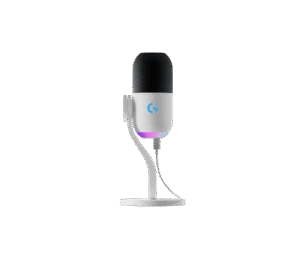
Type loudly or share a room and want a focused dynamic USB mic? The Logitech G Yeti GX is a dynamic USB-C microphone with a supercardioid pickup pattern, 24-bit / 96 kHz recording, Blue VO!CE processing through G HUB, a headphone jack and customisable lighting.
- Best For
- Gamers and callers in noisy rooms
- Microphone Type
- Dynamic USB
- Launch Price
- $149.99
- Polar Pattern
- Supercardioid
- Sample Rate
- Up to 96 kHz
- Headphone Monitoring
- 3.5 mm headphone output
- Mute Button
- Yes (press dial)
- Connection
- USB-C
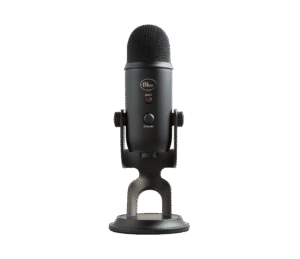
Want one USB mic with several pickup patterns for a fairly quiet room? The Logitech G Yeti is a USB condenser microphone with three 14 mm capsules, four pickup patterns, 16-bit / 48 kHz recording, on-mic gain and mute, a headphone jack and Blue VO!CE processing through G HUB.
- Best For
- Solo callers and small round-table recordings
- Microphone Type
- Condenser USB
- Launch Price
- $149.99
- Polar Pattern
- Cardioid, bidirectional, omnidirectional, stereo
- Sample Rate
- 48 kHz
- Headphone Monitoring
- 3.5 mm headphone output
- Mute Button
- Yes, with LED
- Connection
- USB
Review Scores Compared
Expert Score
Capsule Quality & Fidelity
Interface Versatility & Patterns
On-Mic Hardware Controls
DSP Engine & Software
Mounting & Shock
Editorial Reviews Comparison
Capsule Quality & Fidelity
- Logitech G Yeti GX9.3/10Leader
- Logitech G Yeti7.0/10
Logitech G Yeti GX
The dynamic capsule feeds a converter running at up to 24-bit / 96 kHz. Logitech tunes it for speech, with a focused midrange that sits forward in a mix with game audio or music. Blue VO!CE in G HUB adds EQ, compression and a noise gate for broadcast-style polish. Without the software, the raw sound is clean but slightly plain.
Logitech G Yeti
Logitech lists 16-bit / 48 kHz conversion, a 20 Hz to 20 kHz response and a 120 dB maximum SPL at 0.5% THD. The three 14 mm condenser capsules give the Yeti a bright, detailed character. Voices sound open and airy at about 15 to 20 cm, with more top-end sparkle than a typical dynamic.
Interface Versatility & Patterns
- Logitech G Yeti GX7.7/10
- Logitech G Yeti8.3/10Leader
Logitech G Yeti GX
Supercardioid pickup is narrower than cardioid, rejecting sound from the sides with a small lobe at the rear. That shape is built for gamers with loud mechanical keyboards. The trade-off is that you must stay on axis. Turning to a second monitor changes your level, so a boom arm that keeps the mic in front of your mouth helps.
Logitech G Yeti
A rear switch selects cardioid, bidirectional, omnidirectional or stereo. Cardioid is the mode for meetings, while bidirectional suits two people sitting across a table. Omni picks up a whole circle of speakers, which is handy for an impromptu group call around one laptop. Stereo adds width for music or ambient recordings but adds little to speech.
On-Mic Hardware Controls
- Logitech G Yeti GX9.7/10
- Logitech G Yeti9.7/10
Logitech G Yeti GX
A control dial on the mic adjusts gain and mutes with a press, and a 3.5 mm headphone jack provides zero-latency monitoring. Hardware mute is a big plus for meetings, because it works regardless of the app. The lighting changes colour when muted, which helps you check status at a glance during long calls.
Logitech G Yeti
On the front sit a mute button with a status light and a headphone volume dial. A gain dial on the rear sets sensitivity, and the 3.5 mm jack provides latency-free monitoring. A physical mute that works in any app is valuable in meetings. The light flashes red when muted, so a quick glance confirms whether your colleagues can hear you.
DSP Engine & Software
- Logitech G Yeti GX7.1/10
- Logitech G Yeti7.1/10
Logitech G Yeti GX
The Yeti GX uses Logitech G HUB for its companion software. Onboard DSP is listed as Blue VO!CE (via G HUB). The software or onboard controls also include monitoring (3.5 mm headphone output), gain control (dial) and a limiter (analog limiter / Smart Audio Lock). Official capture is listed at up to 96 kHz and 24-bit.
Logitech G Yeti
The Yeti uses Logitech G HUB for its companion software. Onboard DSP is listed as Blue VO!CE (via G HUB). The software or onboard controls also include EQ or presets (EQ in G HUB / Blue VO!CE), monitoring (3.5 mm headphone output), gain control (rear dial) and a limiter (Blue VO!CE limiter in G HUB).
Mounting & Shock
- Logitech G Yeti GX10.0/10
- Logitech G Yeti10.0/10
Logitech G Yeti GX
Logitech lists the weight at 616 g, and the mic ships with a desk stand. The body is solid metal and plastic, with a rubberised base that resists sliding. The stand raises the capsule reasonably high, and the mic can be removed for a boom arm. Lighting around the body is customisable, and you can switch it off for a more professional look on calls.
Logitech G Yeti
The mic alone weighs 550 g, and the metal desk stand adds about 1 kg. An internal shock mount isolates the capsule array from small knocks and desk vibration. The side-address design means you speak into the front, not the top. You can remove the stand and mount it on a boom arm, though its weight calls for a solid arm rather than a light clamp-on model.
Why Logitech G Yeti GX Beats Logitech G Yeti (and Vice Versa)
Why Logitech G Yeti GX beats Logitech G Yeti
- Better capsule quality & fidelity: 9.3 vs 7.0 out of 10
- Sample Rate: Up to 96 kHz vs 48 kHz
- Bit Depth: 24-bit vs 16-bit
- Transducer Type: Dynamic vs Condenser (pressure gradient)
Why Logitech G Yeti beats Logitech G Yeti GX
- Better interface versatility & patterns: 8.3 vs 7.7 out of 10
- Weight: 550 g (mic), 1 kg (stand) vs 616 g
- Polar Pattern: Cardioid, bidirectional, omnidirectional, stereo vs Supercardioid
- Number of Patterns: 4 vs 1
Review-score leads of 0.5+ points out of 10 first, then specs where only one comes out ahead.
Full Specifications
General
| Logitech G Yeti GX | Logitech G Yeti | |
|---|---|---|
| Best For | Gamers and callers in noisy rooms | Solo callers and small round-table recordings |
| Release Year | 2023 Better | 2009 |
| Launch Price | $149.99 | $149.99 |
| Use Case | Gaming, streaming, calls | Calls, podcasts, streaming, interviews |
| Weight | 616 g | 550 g (mic), 1 kg (stand) Better |
| Colors | — | Blackout, Pink Dawn, White Mist |
| In the Box | Microphone, desktop stand, USB-C to USB-A cable, windscreen | Yeti microphone, desktop stand, USB cable |
| Model Number | Yeti GX | Yeti |
Capsule Quality & Fidelity
| Logitech G Yeti GX9.3/10 Better | Logitech G Yeti7.0/10 | |
|---|---|---|
| Transducer Type | Dynamic Better | Condenser (pressure gradient) |
| Sample Rate | Up to 96 kHz Better | 48 kHz |
| Bit Depth | 24-bit Better | 16-bit |
| Frequency Response | — | 20 Hz to 20 kHz |
| Max SPL | — | 120 dB (0.5% THD) |
| Sensitivity | — | 4.5 mV/Pa (1 kHz) |
| Microphone Type | Dynamic USB | Condenser USB |
| Capsule Size | Dynamic | Three 14 mm condenser capsules |
Interface Versatility & Patterns
| Logitech G Yeti GX7.7/10 | Logitech G Yeti8.3/10 Better | |
|---|---|---|
| Connection | USB-C | USB |
| XLR Output | No | No |
| Polar Pattern | Supercardioid | Cardioid, bidirectional, omnidirectional, stereo Better |
| Number of Patterns | 1 | 4 Better |
| USB Connector | USB-C | Mini USB |
| Cable | USB-C to USB-A (included) | USB cable included |
| Wireless | — | No |
| Phone / Tablet Support | — | No |
| OS Compatibility | Windows, macOS | Windows, macOS |
| Works With | — | Logitech G HUB (Blue VO!CE) |
On-Mic Hardware Controls
| Logitech G Yeti GX9.7/10 | Logitech G Yeti9.7/10 | |
|---|---|---|
| Gain Control | Yes (dial) | Yes (rear dial) |
| Zero-Latency Monitoring | Yes | Yes |
| Touch Mute | — | Yes (instant mute button) |
| Headphone Monitoring | 3.5 mm headphone output | 3.5 mm headphone output |
| Headphone Volume | Yes | Yes |
| Lighting | Customisable lighting | — |
| Mute Button | Yes (press dial) | Yes, with LED |
DSP Engine & Software
| Logitech G Yeti GX7.1/10 | Logitech G Yeti7.1/10 | |
|---|---|---|
| Onboard DSP | Blue VO!CE (via G HUB) | Blue VO!CE (via G HUB) |
| Software / DSP | Logitech G HUB | Logitech G HUB |
| Limiter / Clip Guard | Yes (analog limiter / Smart Audio Lock) | Yes (Blue VO!CE limiter in G HUB) |
| Presets / EQ | — | Yes (EQ in G HUB / Blue VO!CE) |
Mounting & Shock
| Logitech G Yeti GX10.0/10 | Logitech G Yeti10.0/10 | |
|---|---|---|
| Shock Mount | — | Internal |
| Stand / Mount | Desk stand (included) | Metal desk stand (included) |
| Pop Filter / Windscreen | Yes (windscreen included) | — |
| Boom Arm Compatible | Yes (included desktop stand or a boom arm) | Yes (stand removable) |
Takeaways
- Our pick: Logitech G Yeti GX, with the highest spec-based rating (4.4/5).
- Choose Logitech G Yeti GX for gamers and callers in noisy rooms.
- Choose Logitech G Yeti for solo callers and small round-table recordings.
Pros and Cons
Logitech G Yeti GX
PROS
- Supercardioid dynamic capsule rejects noise
- 24-bit / 96 kHz conversion
- Blue VO!CE voice processing
- Solid stand included
CONS
- Needs close positioning
- Processing requires G HUB on a PC
- Lighting may not suit formal offices
Logitech G Yeti
PROS
- Four pickup patterns from one mic
- Simple plug-and-play USB setup
- Gain dial and mute button on the body
- Blue VO!CE filters via G HUB
CONS
- Large and heavy with the stand
- Condenser capsule hears room echo and keyboards
- 16-bit / 48 kHz is behind newer rivals
Similar Comparisons
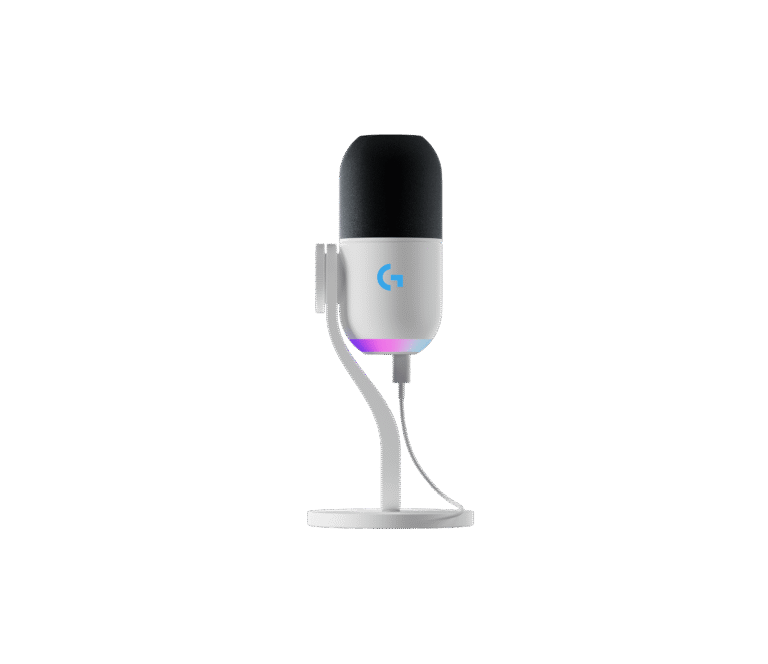 Logitech G Yeti GX8.8/10
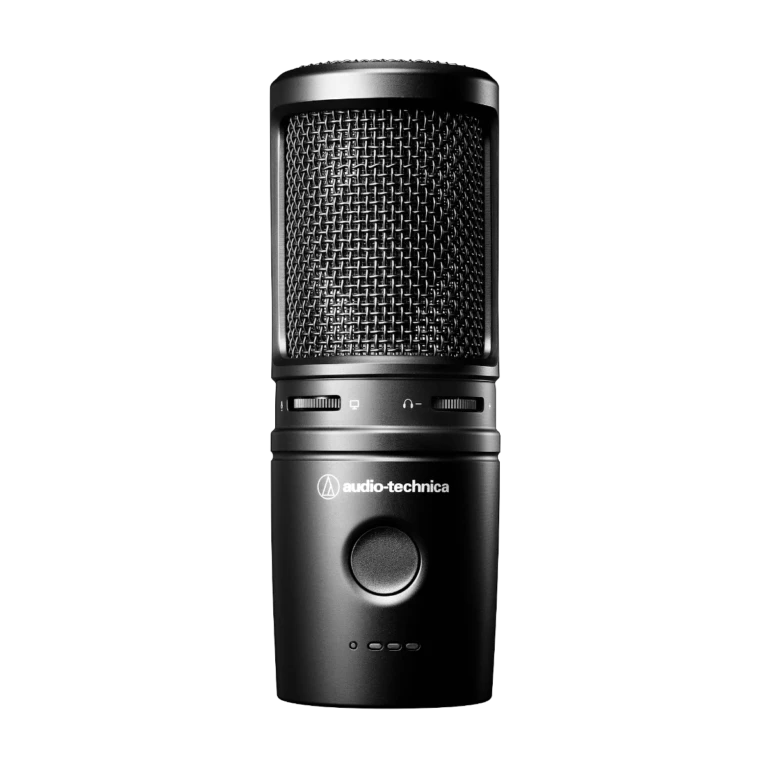 Audio-Technica AT2020USB-XP8.8/10Logitech G Yeti GX vs Audio-Technica AT2020USB-XP
- Logitech G Yeti GX8.8/10
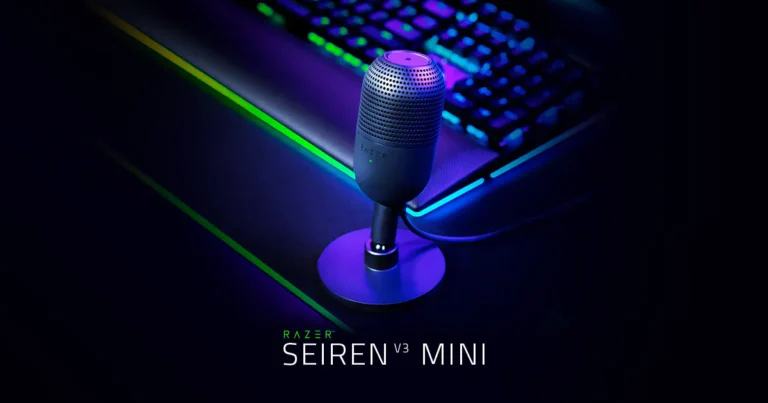 Razer Seiren V3 Mini8.4/10Logitech G Yeti GX vs Razer Seiren V3 Mini
- Logitech G Yeti GX8.8/10
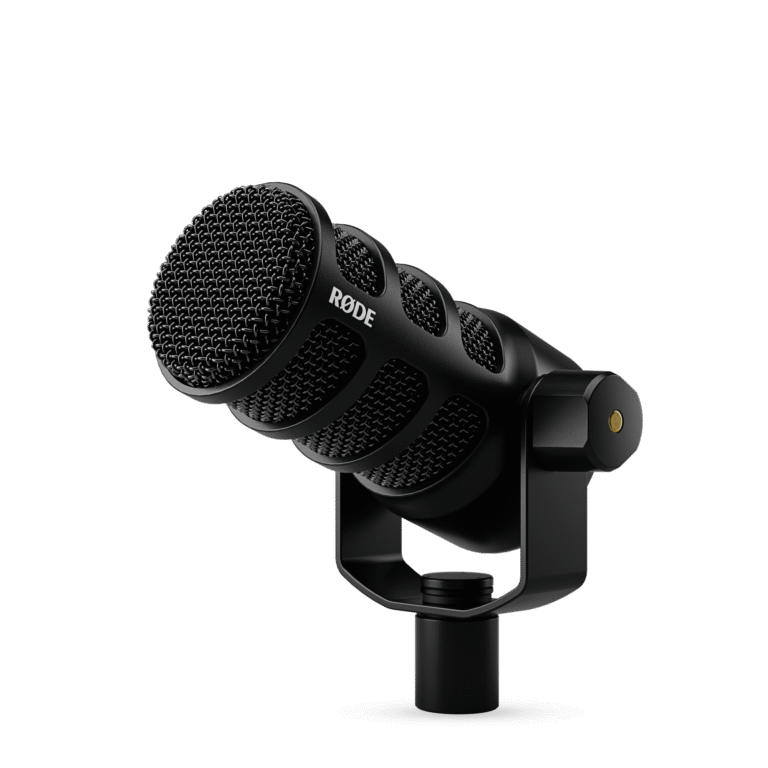 Rode PodMic USB8.3/10Logitech G Yeti GX vs Rode PodMic USB
- Logitech G Yeti GX8.8/10
 Elgato Wave:3 MK.28.2/10Logitech G Yeti GX vs Elgato Wave:3 MK.2
Quick Verdict
- Logitech G Yeti GX 8.8Best overallLeads in Capsule Quality & Fidelity
- Logitech G Yeti 8.0Leads in Interface Versatility & Patterns