
Rode PodMic USB vs Shure MV7i Comparison
Compare Rode PodMic USB vs Shure MV7i side by side: specs, ratings, pros and cons, and which one fits your room best.
On this page
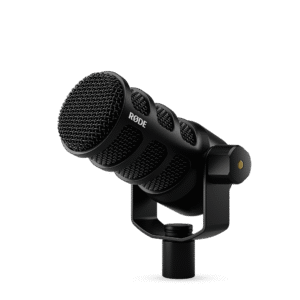
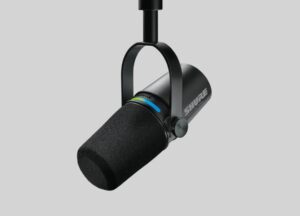
At a Glance
Is voice central to your work, and do you have a solid arm to hold a heavy mic? The Rode PodMic USB is a dynamic broadcast microphone with USB-C and XLR outputs, 24-bit / 48 kHz conversion, Rode's Revolution Preamp, APHEX processing and an internal pop filter and shock mount.
- Best For
- Podcasters and voice-heavy meeting hosts
- Microphone Type
- Dynamic USB/XLR
- Launch Price
- $199
- Polar Pattern
- Cardioid
- Sample Rate
- 48 kHz
- Headphone Monitoring
- 3.5 mm headphone output
- Mute Button
- No
- Connection
- USB-C, XLR
Hosting a guest in the room or adding a second mic or guitar without extra hardware? Shure's MV7i combines a dynamic capsule and a built-in two-channel interface in one USB-C body. Its combo jack accepts XLR or 1/4 inch inputs with up to +60 dB gain and +48 V phantom power, and it records at 24-bit / 48 kHz with Real-Time Denoiser and Auto Level Mode.
- Best For
- Hosts who want a second mic or instrument input
- Microphone Type
- Dynamic USB with built-in interface
- Launch Price
- $349
- Polar Pattern
- Cardioid
- Sample Rate
- 48 kHz (44.1 kHz on iOS)
- Headphone Monitoring
- 3.5 mm headphone output
- Mute Button
- Yes (touch panel)
- Connection
- USB-C; combo XLR / 1/4 inch input
Review Scores Compared
Expert Score
Capsule Quality & Fidelity
Interface Versatility & Patterns
On-Mic Hardware Controls
DSP Engine & Software
Mounting & Shock
Editorial Reviews Comparison
Capsule Quality & Fidelity
- Rode PodMic USB8.6/10Leader
- Shure MV7i8.5/10
Rode PodMic USB
Rode quotes a 20 Hz to 20 kHz frequency range with 24-bit / 48 kHz USB conversion. The Revolution Preamp provides clean, high gain, so the mic does not need an external booster. Through Rode Central, Rode adds APHEX processing, including Aural Exciter and Big Bottom, for clarity and depth.
Shure MV7i
The MV7i records at 24-bit / 48 kHz over USB-C, with 16-bit / 44.1 kHz on iOS. Its dynamic capsule is the same broadcast-style design Shure uses across the MV7 family. Auto Level Mode keeps you at a steady level if you lean back or get animated. The second channel records separately, so a guest on a condenser or a guitar can be balanced later.
Interface Versatility & Patterns
- Rode PodMic USB9.8/10Leader
- Shure MV7i9.2/10
Rode PodMic USB
The cardioid dynamic capsule works best within about 5 to 10 cm of the mouth. Sound from the sides and rear drops off quickly. That makes it a strong choice for untreated rooms, where condenser mics would pick up echo and noise. A noise gate in Rode's software adds further control between sentences.
Shure MV7i
Cardioid pickup and a dynamic element keep the focus on the front of the mic. Shure's Real-Time Denoiser targets constant hums like a desk fan or HVAC vent. For the guest input, pickup depends on whatever mic you plug in, but the combo jack's 48 V phantom power means condenser models work without a separate box.
On-Mic Hardware Controls
- Rode PodMic USB8.0/10
- Shure MV7i9.7/10Leader
Rode PodMic USB
The body has a headphone volume dial and a 3.5 mm output for zero-latency monitoring. There is no gain knob or mute button on the mic. Gain, compression and effects are set in Rode Central, Rode Connect or UNIFY. Without hardware mute, you rely on the meeting app or software for muting.
Shure MV7i
A touch panel on top handles mute and level, and a 3.5 mm headphone output allows latency-free monitoring of both channels. Touch mute is silent and works regardless of the meeting app, which is ideal when you need to cough on a live call. The LEDs show your level, so you can spot clipping before it happens.
DSP Engine & Software
- Rode PodMic USB5.4/10
- Shure MV7i6.3/10Leader
Rode PodMic USB
The PodMic USB uses Rode Central, Rode Connect, UNIFY for its companion software. Onboard DSP is listed as APHEX Aural Exciter, Big Bottom, compressor, noise gate. The software or onboard controls also include monitoring (3.5 mm headphone output), gain control (Software) and a noise gate (via on-board APHEX DSP). Official capture is listed at 48 kHz and 24-bit.
Shure MV7i
The MV7i uses Shure MOTIV Mix for its companion software. Onboard DSP is listed as Auto Level Mode, Real-Time Denoiser, presets. Noise processing is listed as Real-Time Denoiser. The software or onboard controls also include EQ or presets (tone slider via MOTIV Mix), monitoring (3.5 mm headphone output), gain control (Auto Level or manual; up to +60 dB on the combo input), a mix control (MOTIV Mix), a limiter and a noise gate (Auto-Level Mode with SmartGate).
Mounting & Shock
- Rode PodMic USB8.9/10Leader
- Shure MV7i6.4/10
Rode PodMic USB
The mic weighs 900 g, with an all-metal body, internal pop filter and internal shock mount. A swivel mount attaches to boom arms and stands. The weight means light arms will sag, so a heavy-duty option such as the Rode PSA1 is a better match. The swivel mount can be tightened firmly so the heavy body stays aimed.
Shure MV7i
Shure lists 567 g for the MV7i. The body keeps the MV7 shape, with a yoke that mounts on standard 5/8 inch threads and a combo jack added to the rear. Build quality is excellent, with a solid metal housing and a touch panel that sits flush with the body.
Why Rode PodMic USB Beats Shure MV7i (and Vice Versa)
Why Rode PodMic USB beats Shure MV7i
- Better mounting & shock: 8.9 vs 6.4 out of 10
- Better interface versatility & patterns: 9.8 vs 9.2 out of 10
- Pop Filter / Windscreen: Yes (internal) vs Digital Popper Stopper (DSP)
- Frequency Response: 20 Hz to 20 kHz vs 50 Hz to 16,000 Hz
Why Shure MV7i beats Rode PodMic USB
- Better on-mic hardware controls: 9.7 vs 8.0 out of 10
- Better dsp engine & software: 6.3 vs 5.4 out of 10
- Weight: 567 g vs 900 g
- Mute Button: Yes (touch panel) vs No
Review-score leads of 0.5+ points out of 10 first, then specs where only one comes out ahead.
Full Specifications
General
| Rode PodMic USB | Shure MV7i | |
|---|---|---|
| Best For | Podcasters and voice-heavy meeting hosts | Hosts who want a second mic or instrument input |
| Release Year | 2022 | 2025 Better |
| Launch Price | $199 Better | $349 |
| Use Case | Podcasts, webinars, voice-over | Podcasts, music streaming, webinars |
| Weight | 900 g | 567 g Better |
| Dimensions | — | 164 x 207 x 90 mm (mic and yoke at 90 degrees) |
| Colors | Black, White | — |
| In the Box | Microphone, studio-quality external pop filter | — |
| Warranty | 5 years | — |
| Model Number | PodMic USB | MV7i |
Capsule Quality & Fidelity
| Rode PodMic USB8.6/10 Better | Shure MV7i8.5/10 | |
|---|---|---|
| Transducer Type | Dynamic | Dynamic |
| Sample Rate | 48 kHz | 48 kHz (44.1 kHz on iOS) |
| Bit Depth | 24-bit | 24-bit (16-bit on iOS) |
| Frequency Response | 20 Hz to 20 kHz Better | 50 Hz to 16,000 Hz |
| Max SPL | — | 128 dB |
| Sensitivity | — | -33 dBV/Pa (USB-C) |
| Microphone Type | Dynamic USB/XLR | Dynamic USB with built-in interface |
| Capsule Size | Dynamic | Dynamic |
Interface Versatility & Patterns
| Rode PodMic USB9.8/10 Better | Shure MV7i9.2/10 | |
|---|---|---|
| Connection | USB-C, XLR | USB-C; combo XLR / 1/4 inch input |
| XLR Output | Yes | Input only |
| Polar Pattern | Cardioid | Cardioid |
| Number of Patterns | — | 1 |
| USB Connector | USB-C | USB-C |
| Cable | — | 3 m USB-C to USB-C (included) |
| Phantom Power | — | +48 V on the combo input |
| Phone / Tablet Support | Yes (iOS and Android) | Yes (iOS and Android via USB-C; not compatible with Lightning iOS devices) |
| Multi-Mic Support | — | Two channels (built-in capsule plus combo input) |
| OS Compatibility | Windows, macOS, iOS, Android | Windows, macOS, iOS, Android |
On-Mic Hardware Controls
| Rode PodMic USB8.0/10 | Shure MV7i9.7/10 Better | |
|---|---|---|
| Gain Control | Software | Auto Level or manual; up to +60 dB on the combo input |
| Zero-Latency Monitoring | Yes | Yes |
| Touch Mute | — | Yes |
| Headphone Monitoring | 3.5 mm headphone output | 3.5 mm headphone output |
| Mix Control | — | Yes (MOTIV Mix) |
| Headphone Volume | Yes | — |
| Lighting | — | LED level meter |
| Low-Cut Filter | Yes (high-pass filter via on-board DSP) | Yes (high-pass filter) |
| Mute Button | No | Yes (touch panel) Better |
DSP Engine & Software
| Rode PodMic USB5.4/10 | Shure MV7i6.3/10 Better | |
|---|---|---|
| Onboard DSP | APHEX Aural Exciter, Big Bottom, compressor, noise gate | Auto Level Mode, Real-Time Denoiser, presets |
| Software / DSP | Rode Central, Rode Connect, UNIFY | Shure MOTIV Mix |
| AI Noise Reduction | — | Real-Time Denoiser |
| Limiter / Clip Guard | — | Yes |
| Noise Gate | Yes (via on-board APHEX DSP) | Yes (Auto-Level Mode with SmartGate) |
| Presets / EQ | — | Yes (tone slider via MOTIV Mix) |
Mounting & Shock
| Rode PodMic USB8.9/10 Better | Shure MV7i6.4/10 | |
|---|---|---|
| Shock Mount | Yes (internal) | — |
| Mount Thread | — | 5/8 inch |
| Stand / Mount | Integrated swing mount | Adjustable integrated yoke (5/8-27 thread) |
| Pop Filter / Windscreen | Yes (internal) Better | Digital Popper Stopper (DSP) |
| Boom Arm Compatible | — | Yes |
| Materials | Metal | Metal |
Takeaways
- Rode PodMic USB costs the least ($199), and Shure MV7i the most ($349).
- It's a tie on our rating (4.2/5) between Rode PodMic USB and Shure MV7i, so choose on the rows that matter most to you.
- Choose Rode PodMic USB for podcasters and voice-heavy meeting hosts.
- Choose Shure MV7i for hosts who want a second mic or instrument input.
Pros and Cons
Rode PodMic USB
PROS
- Rich broadcast sound
- USB-C and XLR outputs
- APHEX processing via Rode software
- Internal pop filter and shock mount
CONS
- Heavy at 900 g
- Needs a sturdy boom arm
- No mute button on the body
Shure MV7i
PROS
- Second input for a guest mic or instrument
- Real-Time Denoiser and Auto Level Mode
- Touch-panel mute
- Phantom power for condenser guests
CONS
- USB-C only for its own capsule; no XLR out
- Expensive for a single mic
- Best features rely on the MOTIV Mix app
Similar Comparisons
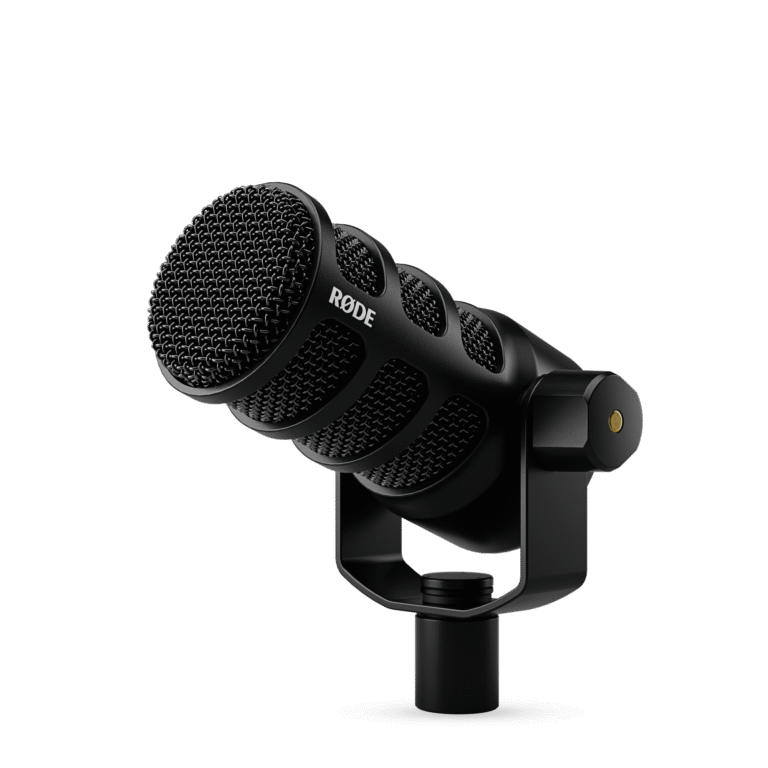 Rode PodMic USB8.3/10
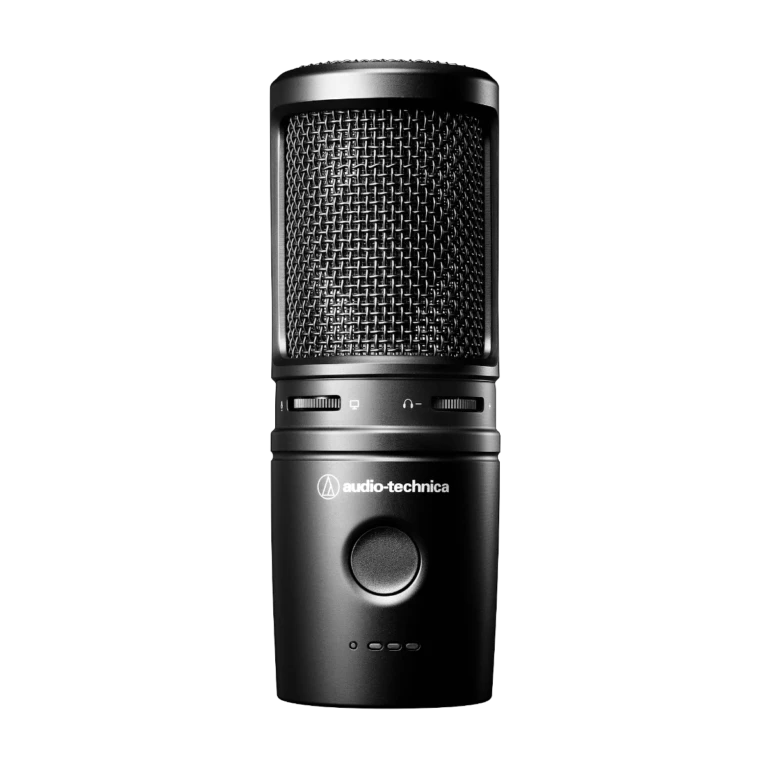 Audio-Technica AT2020USB-XP8.8/10Rode PodMic USB vs Audio-Technica AT2020USB-XP
- Rode PodMic USB8.3/10
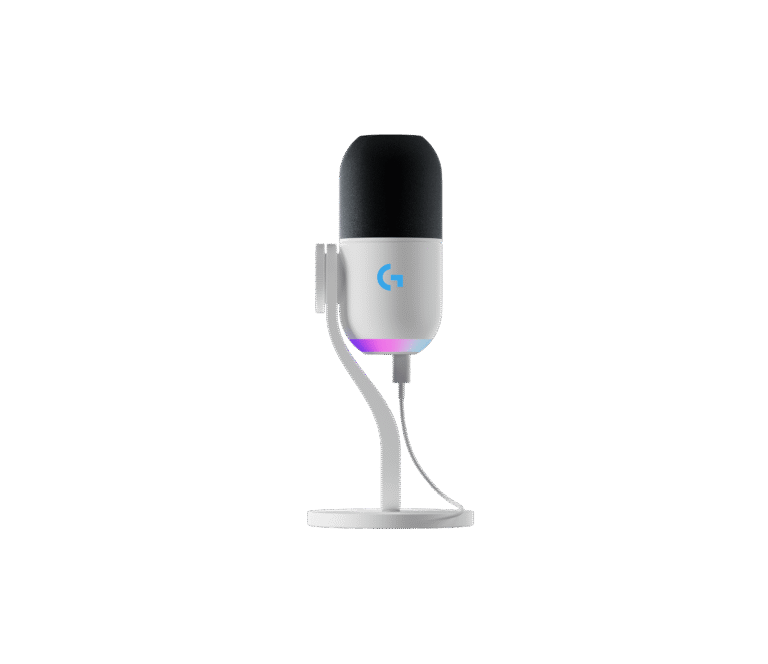 Logitech G Yeti GX8.8/10Rode PodMic USB vs Logitech G Yeti GX
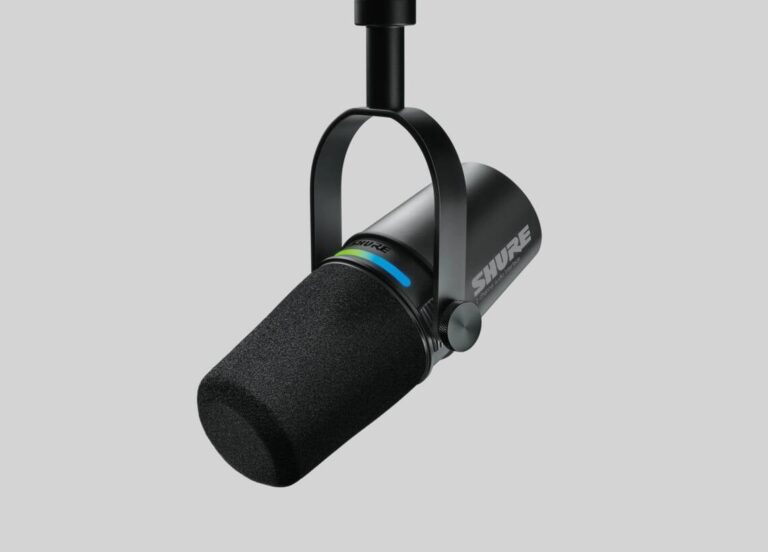 Shure MV7i8.3/10Audio-Technica AT2020USB-XP8.8/10Shure MV7i vs Audio-Technica AT2020USB-XP
- Shure MV7i8.3/10Logitech G Yeti GX8.8/10Shure MV7i vs Logitech G Yeti GX
Quick Verdict
- Rode PodMic USB 8.3Leads in Capsule Quality & Fidelity, Interface Versatility & Patterns, Mounting & Shock
- Shure MV7i 8.3Leads in On-Mic Hardware Controls, DSP Engine & Software